

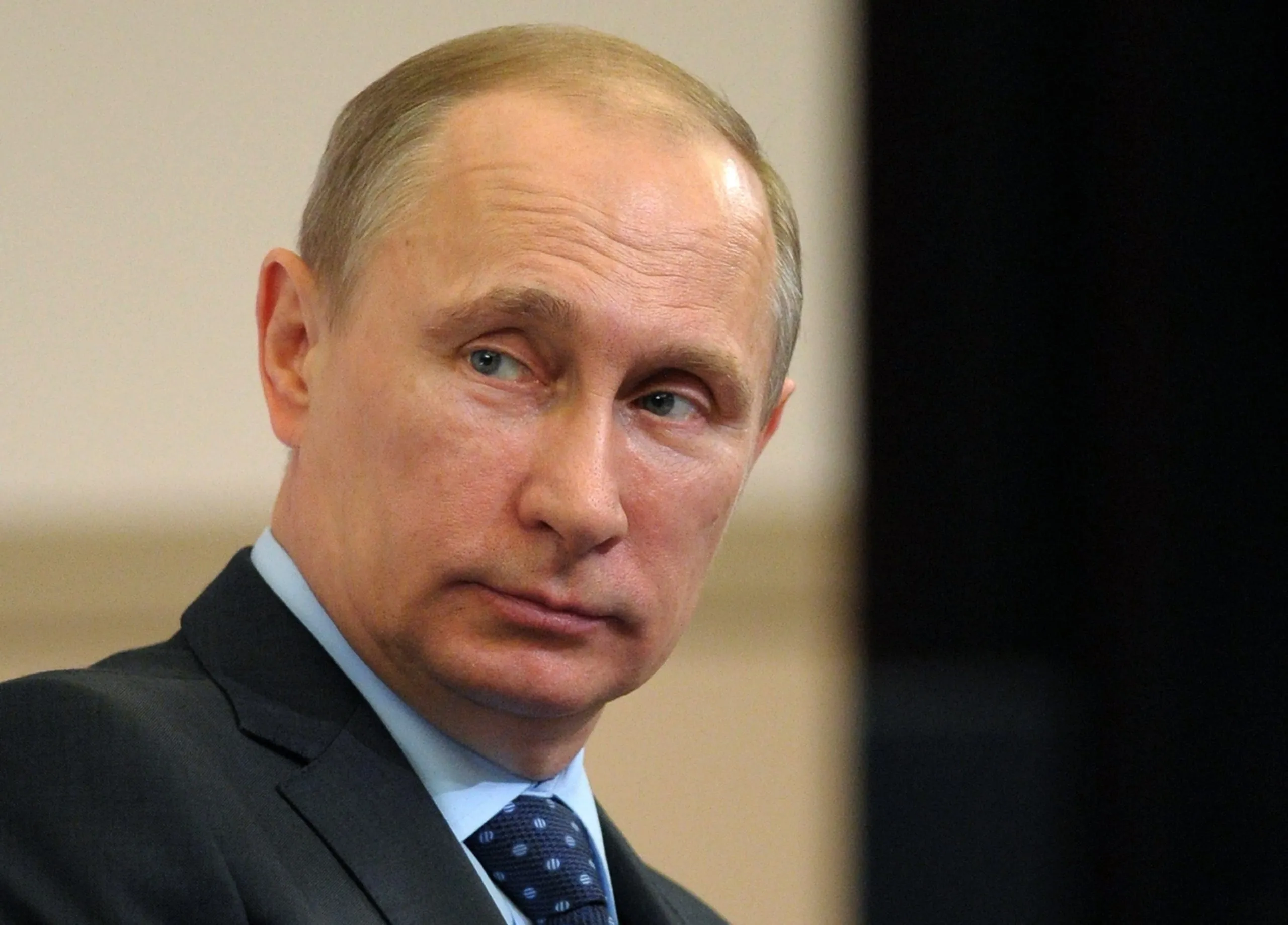
Russian President Vladimir Putin indicated that he would be open to diplomacy as a way out of the standoff with Ukraine and much of the Western world.
Following weeks of warnings from international leaders about such an incursion, Putin told reporters on Tuesday that Russia is “ready to follow the negotiation track.”
Recommended Stories


“As the minister of foreign affairs of the Russian Federation told me yesterday, the provided responses contain a number of proposals that we are not just open to discussing, but in fact, we have proposed them to our partners in previous years: proposals on European security issues, on certain weaponry issues, i.e. intermediate- and short-range missiles, and on military transparency,” he said during a press conference with German Chancellor Olaf Scholz, according to CNN.
The Russian military said earlier in the day that it was withdrawing some troops from the Ukrainian border while other military exercises continued, and Putin affirmed the troops’ movement during the presser, though U.S. and Ukrainian officials remain skeptical.
US TROOPS PREPARING TO HELP AMERICANS FLEEING UKRAINE SHOULD RUSSIA INVADE
A defense official told the Washington Examiner, “We are aware of reports of Russian claims that they are withdrawing some forces away from the border with Ukraine. Our analysts are reviewing, but we have nothing further at this time.”
NATO Secretary-General Jens Stoltenberg said on Tuesday that NATO had not seen evidence of Russia withdrawing troops yet, but he provided couched optimism on Russia’s willingness to move down a path of diplomacy.
“There are signs from Moscow that diplomacy should continue. This gives grounds for cautious optimism, but so far, we have not seen any sign of de-escalation on the ground,” Stoltenberg said at a press conference.
Ukrainian Foreign Affairs Minister Dmytro Kuleba tweeted, “On Russian statements regarding withdrawal of some forces from the Ukrainian border. We in Ukraine have a rule: we don’t believe what we hear, we believe what we see. If a real withdrawal follows these statements, we will believe in the beginning of a real de-escalation.”
Russian leaders have repeatedly said their demand is that NATO not expand eastward, including into Ukraine, a former Soviet republic.
“Do we want [war] or not? Of course not,” Putin added. “That’s exactly why we put forward proposals on a negotiating process that should result in an agreement ensuring equal security for all, including our country.”
The possibility for diplomacy, which seemed slim at times over the last several weeks, is a sharp contrast to messages from U.S. officials in recent days.
Pentagon spokesman John Kirby told reporters that Putin had “added” to his military capabilities along the border over the weekend.
“It’s infantry, it’s armor, it’s artillery, it’s air missile defense as well as offensive air. He’s got a lot of combat aircraft now at his ability. He’s got significant naval power inside the Black Sea,” Kirby said, describing the reinforcements that reached those troops. “So he continues to add to his readiness. He continues to give himself more options.”
In addition to Kirby’s comments, national security adviser Jake Sullivan urged Americans in Ukraine late last week to leave because the threat “is now immediate.”
He warned that a Russian invasion would “likely” begin with “aerial bombings and missile attacks” and could also halt commercial transit, which is why Sullivan and other administration officials have repeatedly told Americans to leave before an invasion occurs.
President Joe Biden has deployed roughly 6,000 troops to Europe, and another 8,500 U.S. service members remain on “heightened alert” for a deployment should NATO call up the U.S. forces. The troops will not enter Ukraine to fight Russia should an invasion occur, nor will they go in to help Americans escape, but they are preparing to help evacuate Americans once they cross into a neighboring country.
As the president got the military into a tactical position, he and others within the administration have repeatedly worked through diplomatic channels hoping to solve the conflict before any military assault begins.
CLICK HERE TO READ MORE FROM THE WASHINGTON EXAMINER
In addition to those military developments, U.S. officials have spoken with their Russian counterparts in recent days, while the State Department preemptively evacuated the U.S. Embassy in Kyiv and moved its operations to western Ukraine, which is further from Russia.
