

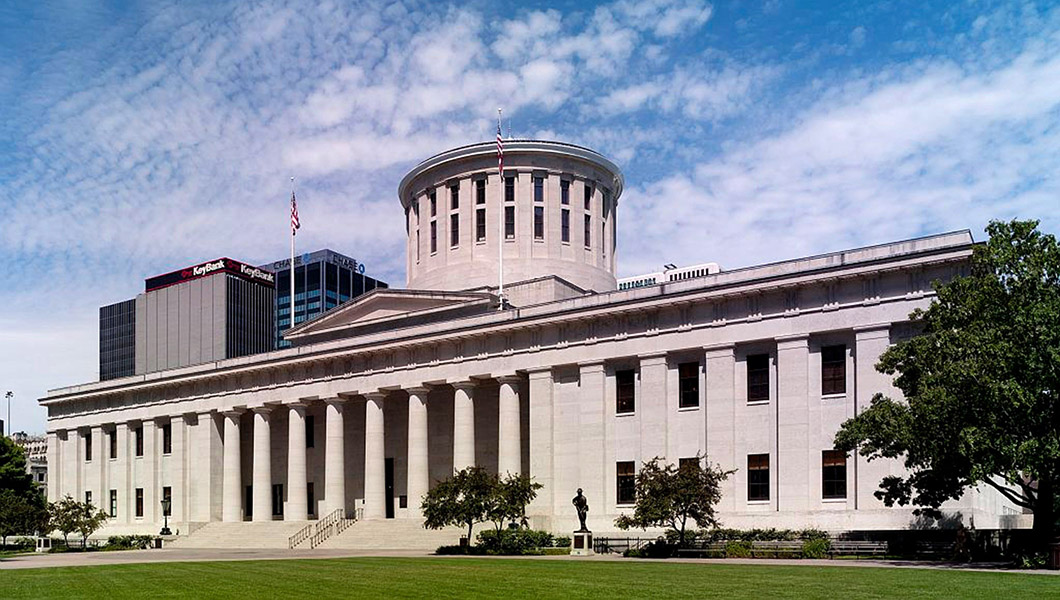
An Ohio think tank wants the state to watch its budget and is sounding the alarm about the spending included in a bill ostensibly aimed at helping communities rebound from the COVID-19 pandemic.
The Buckeye Institute is raising concerns about Senate Bill 310, which the state House passed last week and returns to the state Senate to debate changes House lawmakers made. The think tank points to the state’s potential $2.5 billion revenue shortfall.
Recommended Stories


The legislation allocates $350 million in federal funding from the Coronavirus Aid, Relief, and Economic Security (CARES) Act. It authorizes a pay freeze for an estimated 12,000 state employees that could save the state $80 million in the 2021 fiscal year and re-appropriates nearly $1.3 billion in capital funds for local governments and educational institutions for the 2021-22 biennium.
“However, The Buckeye Institute has serious concerns about the capital re-appropriations included in Senate Bill 310 that will spend more than $48 million of taxpayer dollars on future pork barrel projects,” Rea S. Hederman Jr., executive director of the Economic Research Center at The Buckeye Institute and vice president of policy, said in a statement.
“Rather than spending millions of additional tax dollars on special interest pork projects and increasing the cost of vital transportation projects, policymakers would be wise to rein in government spending to address Ohio’s looming budget shortfall,” Hederman added.
The group also expressed concern about an expansion of the prevailing wage. The group says the provision will increase the cost to taxpayers and will reduce how many projects can be completed.
But local jurisdictions say the bill is necessary to help communities across the Buckeye State as they emerge from the COVID-19 outbreak. Dublin Mayor Chris Amorose Groomes estimates the city spent $800,000 on COVID-19 related expenses, including information technology purchases to enable city workers to work remotely. Groomes said he expects more spending as the city and the community resume operations.
“Senate Bill 310 will begin to build the bridge to our city and our state’s economic recovery by distributing much-needed federal aid to Ohio’s local governments,” Groomes said in previous written testimony to the House Finance Committee.
“Dublin and Ohio’s other communities have been on the frontlines fighting this pandemic, experiencing steep revenue loss while the cost to provide quality local services is increasing,” the mayor added. “SB 310 will ensure cities, like ours, and counties, and townships get the immediate relief we desperately need now.”
