

The biggest doctors group in the country is concerned President Trump’s executive order banning immigration from seven Muslim-majority countries could prevent doctors and patients from entering the country.
The American Medical Association wrote a letter Wednesday to Homeland Security Director John Kelly asking for clarification on the order that halts travel by refugees and immigrants from the seven countries for 90 days. It bans Syrian refugees indefinitely.
Recommended Stories


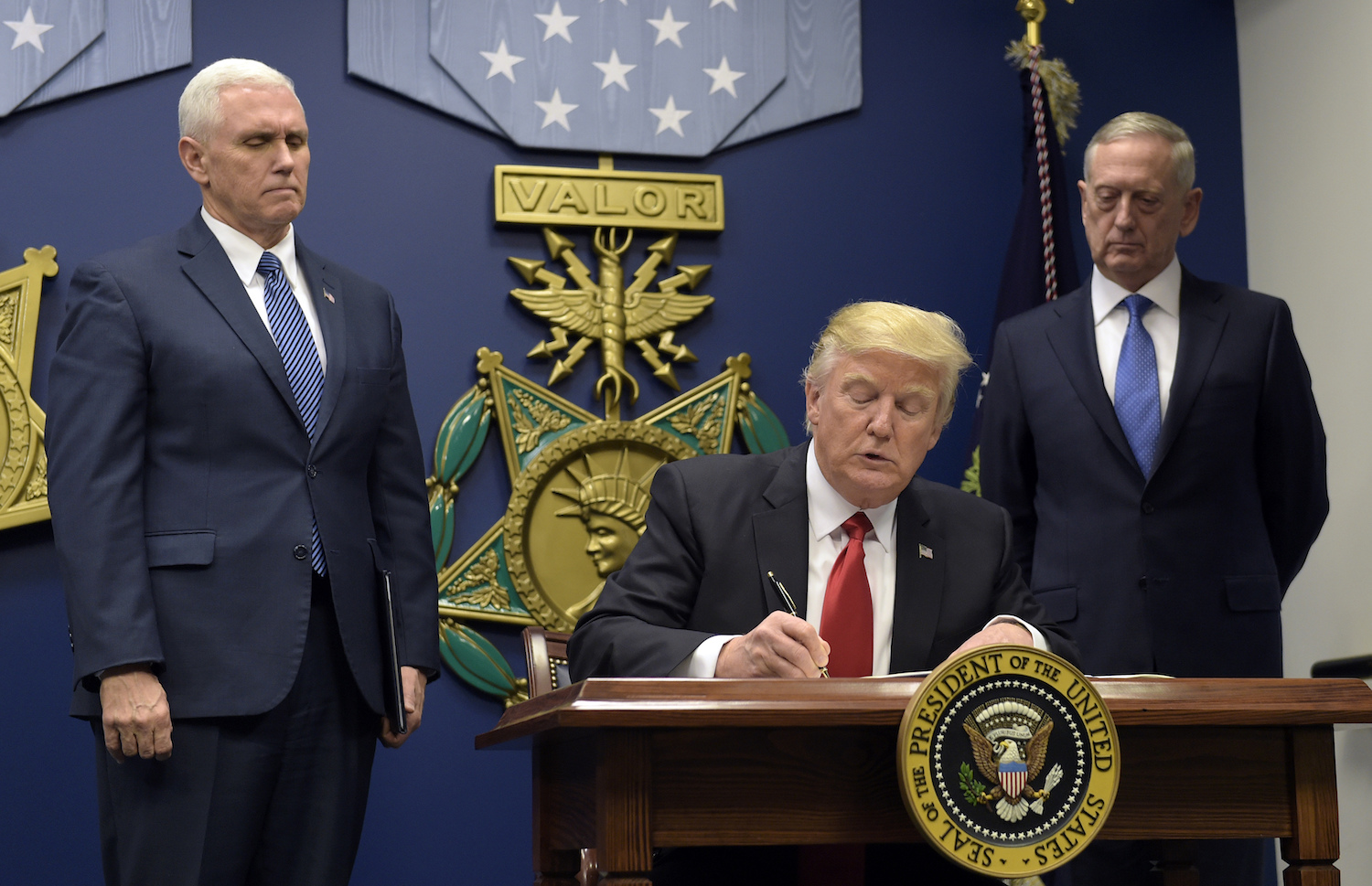
Trump signed the order on Friday to combat terrorism, but it left more than 100 green card and visa holders temporarily stranded over the weekend.
The AMA said it is concerned about reports of the order affecting physicians and medical students.
The group said that international medical graduates are often granted visas to train, practice or attend medical conferences.
International doctors also are used often in rural or low-income areas that have trouble attracting physicians, the association said.
“We urge the administration to provide details and mitigate any negative impact on our nation’s healthcare system,” AMA wrote.
Trump defended the order, saying it wasn’t a ban on Muslims entering the U.S.
“There are over 40 different countries worldwide that are majority Muslim that are not affected by this order,” the White House statement read. “We will again be issuing visas to all countries once we are sure we have reviewed and implemented the most secure policies over the next 90 days.”
The group also urged the administration to be wary about any changes to individuals with Deferred Action for Childhood Arrivals status. Many medical students often apply for such a status.
Last year, 108 students with DACA status applied to U.S. medical schools, and 34 of those graduated, AMA said.
“We urge the administration to retain the current DACA initiative until a permanent solution on lawful immigration status for DACA participants is implemented,” the group added.
AMA isn’t the only doctors group concerned about the order. The Association of American Medical Colleges issued a statement expressing dismay.
“We are deeply concerned that the Jan. 27 executive order will disrupt education and research and have a damaging long-term impact on patients and health care,” said Dr. Darrell Kirch, the group’s president.
