Washington Examiner
Sign in Subscribe
News
Politics
White House
Senate
House
Campaigns
Business
World
Investigations
Justice
Supreme Court
Crime
Entertainment
Washington Secrets
Policy
Defense
National Security
Energy and Environment
Education
Immigration
Finance and Economy
Healthcare
Foreign Policy
Tech
Infrastructure
Space
2026 Election
America at 250
IN FOCUS
Commentary
Columnists
Editorials
Think Tanks
Beltway Confidential
Op-Eds
Restoring America
Patriotism and Unity
Faith, Freedom, and Self-Reliance
Courage, Strength, and Optimism
Equality, Not Elitism
Community and Family
Fairness and Justice
Mission
Watch
Magazine
Magazine
Quarterly Briefing
Archives
Games
Sponsored
Protecting Air Ambulance Services
Powering Progress
ASAE – Association Leadership
National Parks
Examining Tax Reform
Fix TSCA
Inside the Corn Belt
Examining Transportation
Newsletters
Sign In Sign InHome
News
Politics
Policy2026 Election
Opinion
EditorialsOp-Eds
In FocusRestoring AmericaMagazineWatch
Sponsored
Protecting Air Ambulance ServicesPowering ProgressASAE – Association LeadershipNational ParksExamining Tax ReformFix TSCAInside the Corn BeltExamining Transportation
TWS Archive
Advertisement
Home › Authors › Posts by Malcolm Ritter

Malcolm Ritter

Read the latest stories and analysis from Malcolm Ritter.

FILE - In this March 5, 2009 file photo, job seekers join a line of hundreds of people at a job fair in New York. Tough economic conditions, including the Great Recession, are blamed for a five-year drop in the number of babies born in the U.S., starting in 2007. A new study presented in a paper released Monday, Sept. 29, 2014, by the Proceedings of the National Academy of Science suggests that for some U.S. women, living through a recession can mean they will never have children. (AP Photo/Mark Lennihan, File) Business

Study: Recessions can postpone motherhood forever

Malcolm Ritter · September 29, 2014 7:35 pm
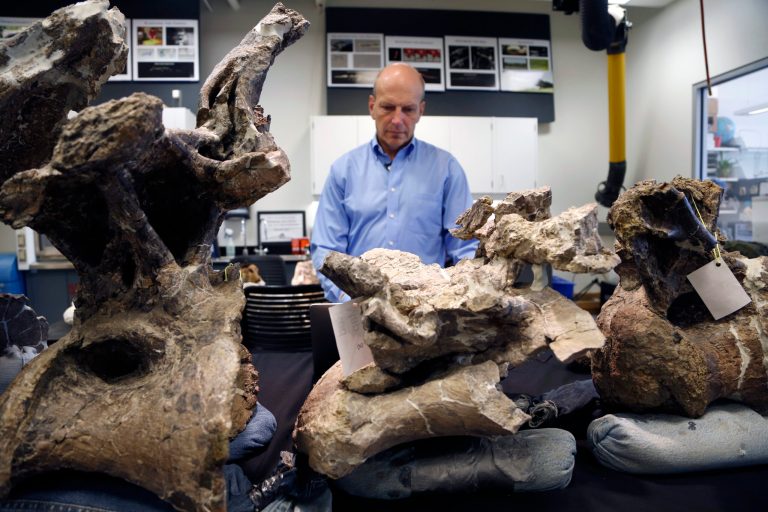
In this Aug. 26, 2014 photo, Paleontologist Kenneth Lacovara works in a lab near vertebrae from a Dreadnaughtus schrani at Drexel University in Philadelphia. The immense dinosaur from Patagonia is slated to be introduced to the scientific community Thursday, Sept. 4, 2014. Scientists hope its unusually well-preserved bones will help reveal secrets about some of the largest animals ever to walk the Earth. The four-legged beast with a long neck and tail weighed an estimated 65 tons and stretched about 85 feet long. (AP Photo/Jacqueline Larma) News

Argentine dinosaur may shed light on huge beasts

Malcolm Ritter · September 4, 2014 1:13 pm
In this photo taken Thursday, Aug. 14, 2014 biotech greenhouse associate specialist Derek Haynes replaces tobacco plants in the greenhouse following examination at Medicago USA, Inc. in Research Triangle Park, N.C. (AP Photo/Gerry Broome) Business

Ebola puts focus on drugs made in tobacco plants

Malcolm Ritter · August 15, 2014 2:22 pm
News

Link between pot smoking and IQ drop challenged

Malcolm Ritter · January 14, 2013 8:46 pm
In this Wednesday, Nov. 28, 2012 photo, the Rockefeller Center Christmas tree is lit during the 80th annual tree lighting ceremony at Rockefeller Center in New York. Scientists are working to decipher the DNA code of conifers, like this Norway spruce at Rockefeller Center in New York. In late 2012, scientific teams in the United States and Canada have released preliminary, patchy descriptions of conifer genomes. And a Swedish team plans to follow suit soon in its quest for the Norway spruce. (AP Photo/Kathy Willens) Business

Huge DNA code of the Christmas tree being revealed

Malcolm Ritter · December 13, 2012 8:08 pm

FILE - In this Wednesday, Aug. 4, 2010 file photo, NOAA Administrator Jane Lubchenco briefs reporters at the White House in Washington regarding the BP oil spill. The head of the National Oceanic and Atmospheric Administration said Wednesday, Dec. 12, 2012 she will leave her post at the end of February 2013. (AP Photo/Charles Dharapak) Business

NOAA chief says she will leave in February

Malcolm Ritter · December 12, 2012 11:02 pm
News

Oregon scientists make embryos with 2 women, 1 man

Malcolm Ritter · October 24, 2012 4:00 am
News

Scientists create encyclopedic look at our DNA

Malcolm Ritter · September 5, 2012 5:04 pm
News

Cancer debate: Are tumors fueled by stem cells?

Malcolm Ritter · August 1, 2012 5:20 pm
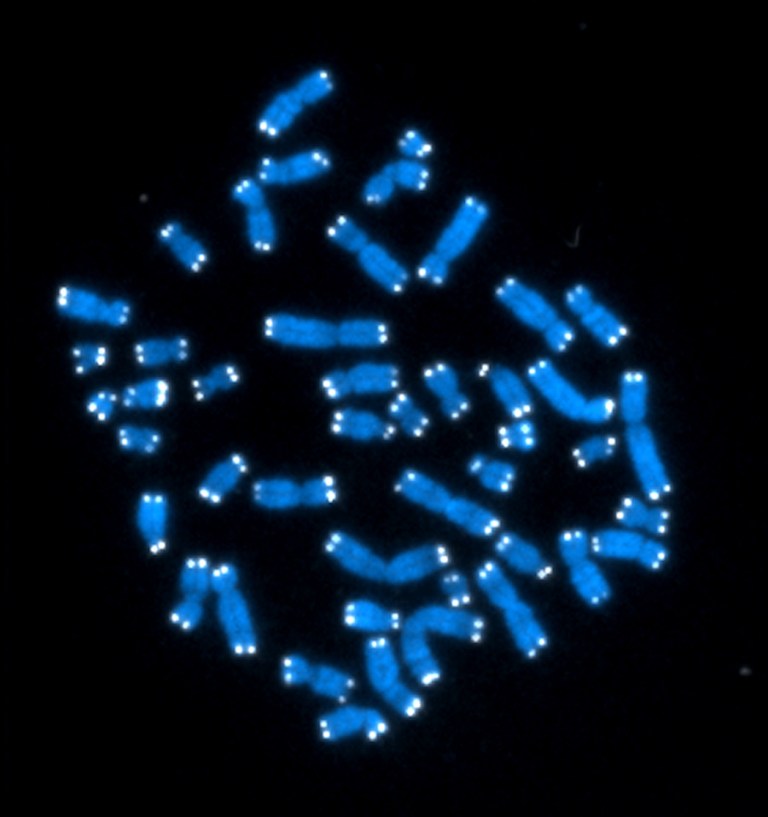
This undated image made available by the NIH's National Cancer Institute shows the 46 human chromosomes in blue, with telomeres appearing as white points on the ends. Some previous studies have associated having longer telomeres with better health and longer lives. Telomeres haven't been proven to cause those benefits in the general population, but a number of researchers think they may hold secrets for things like longevity and cancer. (AP Photo/NIH, National Cancer Institute, Hesed Padilla-Nash, Thomas Ried) News

Older dads linked to grandkid health, study hints

Malcolm Ritter · June 11, 2012 8:29 pm
Advertisement
  • 1
Page 1 of 1
Advertisement
Washington Examiner Manage Preferences

News

  • Politics
    • White House
    • Senate
    • House
    • Campaigns
  • Business
  • World
  • Investigations
  • Justice
  • Supreme Court
  • Crime
  • Washington Secrets
  • Entertainment
  • Sports

Policy

  • Defense
  • National Security
  • Energy
  • Immigration
  • Finance and Economy
  • Healthcare
  • Foreign Policy
  • Tech
  • Infrastructure
  • Space

Commentary

  • Columnists
  • Editorials
  • Think Tanks
  • Beltway Confidential
  • Op-Eds

Restoring America

  • Patriotism & Unity
  • Faith, Freedom & Self-Reliance
  • Courage, Strength & Optimism
  • Equality, Not Elitism
  • Community & Family
  • Fairness & Justice
  • Mission

Watch

  • Shows
NEWSLETTERS MAGAZINE ARCHIVE
  • Policies and Standards
  • Terms Of Service
  • Subscription Terms of Use
  • Privacy Policy
  • Your Privacy Choices
  • Transparency In Coverage
  • Advertise
  • Subscribe
  • Contact
  • Careers
  • Staff
  • About Examiner
  • Facebook
  • Twitter
© Copyright 2026. Washington Examiner. All Rights Reserved.
Advertisement