‘Victim’ Colin Kaepernick is not the civil rights icon he thinks he is

Published September 5, 2026 6:00am ET


The NFL kicks off its 107th season on a rare Wednesday in a Super Bowl rematch between the New England Patriots and champion Seattle Seahawks. The following night, the league is offering up a longtime rivalry between the Los Angeles Rams and San Francisco 49ers from Australia, an NFL first.

The 49ers have always been a storied franchise since the days of Joe Montana, when the organization was the class of the 1980s with four championships in the decade. The organization has been back to the Super Bowl three times since that span, but has fallen short each time. 

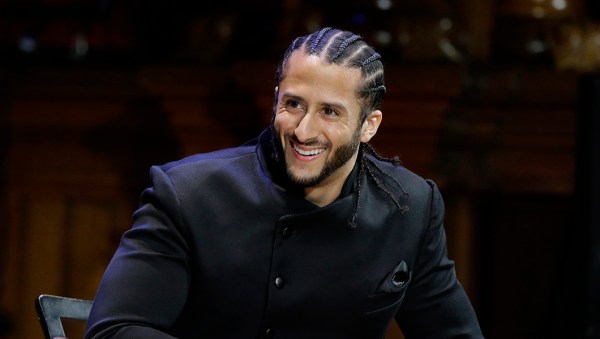
The 49ers first return to the Super Bowl occurred in the 2012-13 season, when a young, dynamic quarterback named Colin Kaepernick led the franchise all the way back to the big game and almost always to victory. Trailing 34-29 with under one minute to play, Kaepernick led a furious second half rally that fell short inside the Baltimore Ravens’ 10-yard line, with the QB missing on two throws to the end zone on 3rd and 4th down that likely would have won the game. 

Nevertheless, the sky was the limit for Kaepernick, a little-known second round draft pick out of the University of Nevada, a school not exactly known for churning out NFL talent. Kaepernick possessed what started a growing trend for league offenses in being a dual run-pass threat.

In that first NFL season that consisted of him playing in only 13 games including the playoffs, he ran for 679 yards, including 181 yards against the Packers in the playoffs, still a single-game record to this day. 

But as the years went on, Kaepernick never returned to another Super Bowl, and the wear and tear of being a running quarterback aged him faster than other pocket quarterbacks like Tom Brady and Peyton Manning. By the time 2016 came, Kaepernick was no longer the impact player he once was. 

Result: The 49ers, who rarely have had losing seasons since the Montana era, started out 1-10, including nine straight losses with Kaepernick under center. He would be replaced by Blaine Gabbert in Week 12. 

And that was it. Kaepernick’s NFL career went from being one with the promise of perhaps another Montana-like run to over. Simply put, without his legs, he was a below average throwing quarterback. He ranked 29th in total passing yards at the time of his benching. In the season prior in 2015, he suffered an extensive labrum tear, leading to season-ending surgery. 

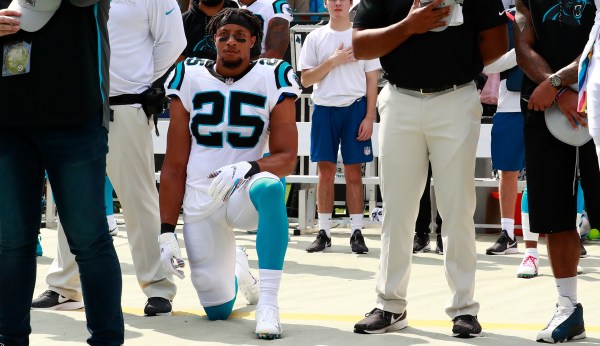
Now, could Kaepernick have been a backup or even a starter on an average team in need of an experienced quarterback moving forward after that 2016 season? Of course. But he decided on Sept. 1, 2016, during a preseason game at San Diego to take a knee to protest what he believed was systemic racial injustice and police brutality in the United States. And from that moment on, he was a controversial lightning rod who changed postgame and practice press conferences from football talk to that of racism and police brutality, which is the last thing any coach or owner wants in their locker room.

“I am not going to stand up to show pride in a flag for a country that oppresses black people and people of color,” Kaepernick told the media in 2016 after that protest. “To me, this is bigger than football and it would be selfish on my part to look the other way. There are bodies in the street and people getting paid leave and getting away with murder.”

RUNNING FROM THE MIDDLE, IS RAHM EMANUEL THE NEXT MICHAEL BLOOMBERG?

The problem with Kaepernick’s charges is they always lack specifics. He levels allegations against the U.S. of oppression, but earned more than $43 million in salary during his NFL career from 2011-16 as a black man. He also says police officers have been gunning down innocent victims and getting away with murder, but never points to any specific cases. 

In 2021, Netflix provided a big platform to continue his unfounded allegations of widespread racism. In a documentary titled Colin in Black and White, the former quarterback even compared NFL combine sessions for draft prospects out of college to slave auctions

Per CBS News: “‘Before they put you on the field, teams poke, prod and examine you, searching for any defect that might affect your performance. No boundary respected, no dignity left intact,’ Kaepernick claimed as scenes from a slavery auction play out.”

Overall, the base minimum salary for rookies who attend such combines in the NFL is $885,000. Never once did Kaepernick evoke slave auctions when he was attending such combines, but only did so well after he made millions in salary and endorsements and Netflix deals from afar. 

The old saying is that actions speak louder than words. And in Kaepernick’s case, he had a chance to praise real criminal justice reform when the bipartisan First Step Act was signed into law during President Trump’s first term. The act, which was praised by black leaders from across the political spectrum when it passed in 2018, aims to reduce recidivism, reduce overcrowding in federal prisons, and curb mandatory minimum sentencing rules. 

“We don’t care who the president is or who gets the credit,” Rep. Hakeem Jefferies (D-NY) said. “This was the right thing to do.” And CNN’s Van Jones literally cried on the air at the time, calling it a “bipartisan Christmas miracle.”

But Kaepernick stayed silent. Odd. Because if righting the wrongs of systemic racism he says exists, why not offer up a statement? Why not weigh in?

Unless, of course, you’re just some younger, more athletic version of another race hustler, Al Sharpton. Solutions aren’t the goal, but keeping anger and fear alive while profiting off it is.

This week, Kaepernick was back in the news after claiming that he, at age 38 and not playing in the league for 10 years, was still actively being “blackballed” by the NFL.

“I’m not gonna support an organization that, one, is actively blackballing me, but two, has targeted my brothers who have been protesting as part of this as well,” Kaepernick said while promoting his new book, The Perilous Fight.

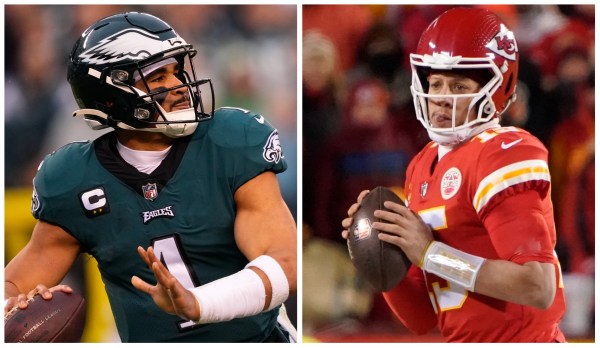
Again, no explanation on how exactly the NFL is “targeting” his brothers. The numbers aren’t his friend here, because the highest paid player in the NFL is Patrick Mahomes of the Chiefs, the son of an African American. The second-highest paid is the Cowboys’ Dak Prescott (black), who has a 2-5 playoff record over a 10-year career. After Joe Burrow, the fourth-highest paid is Jordan Love (black) of the Green Bay Packers, who has won one playoff game in his career … against Prescott in Dallas.

You get the point. Black players aren’t being targeted, but rewarded.

As the NFL kicks off another season next week, Kaepernick still thinks he’s the victim while portraying himself as a civil rights icon. 

“I was thinking about all the people before me and the sacrifices that they had made,” he said recently. “Rosa Parks, Malcolm X, MLK.”

DEMOCRATS TRY TO DIVORCE THEMSELVES FROM A TOXIC HASAN PIKER

And apparently, multi-millionaire Colin Kaepernick, the guy who says America is racist, cops are racist, and the NFL is racist.

Funny how much money and fame this victim has amassed in pushing the same lies since that day he kneeled during the anthem 10 years ago.