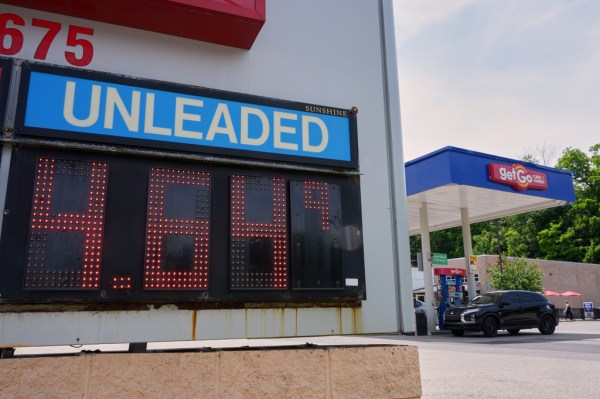
Lower gasoline prices continue to stuff consumers’ wallets and purses with an extra $100 billion annually. So better rush to the stores early, clutching your must-have or merely-want shopping lists to beat the crush. Don’t bother. That cash is staying in consumers’ pockets or bank accounts, or being used to pay down debt. The usually exuberant American consumer is not so exuberant: consumer sentiment has plunged to its lowest level since October, taking most analysts by surprise. And since consumers account for some 70 percent of America’s total output of goods and services (GDP), neither is the US economy. Preliminary reports that the economy flattened in the first quarter are being revised downward, to indicate that it actually shrank. The second quarter seems headed in the same downward direction.
This week’s report that retail sales last month failed to grow marked the fourth such report in the past five months. Consumers are holding on to billions of the bonanza generated by still-low although recently rising gasoline and fuel prices, job creation has picked up from a dismal January, low-paid workers are getting a pay boost from McDonald’s, Wal-Mart and other employers, and the housing market is once again on fire. Yet the consumer remains cautious — to many retailer’s pain. Tiffany, the high-end jeweler, is reporting sales down 4 percent from last year, which it attributes to the strong dollar and the decline in foreign buyers, especially in its New York store. Macy’s, the giant 886-store retailer, which includes the Bloomingdale’s chain, reported that sales for the thirteen weeks ending May 2 fell by 0.7 percent, driving net income down to $193 million from $224 million at this time last year.