Michael W. Thompson: A budget deficit we should have seen coming

Published July 18, 2007 4:00am ET


Virginia’s spending spree has come to an end, at least for the moment.

With the cooling of the housing market has come a slowing of our state’s economic growth and that has caused at least $300 million less to come into the state coffers this year than projected.

So now there is wringing of hands and grave warnings of cuts in government spending, services being cut and transportation funding in jeopardy.

What did the spenders in Richmond think was going to happen once there was a hiccup in our economy? Clearly the economic expansion over the past six years could not continue.

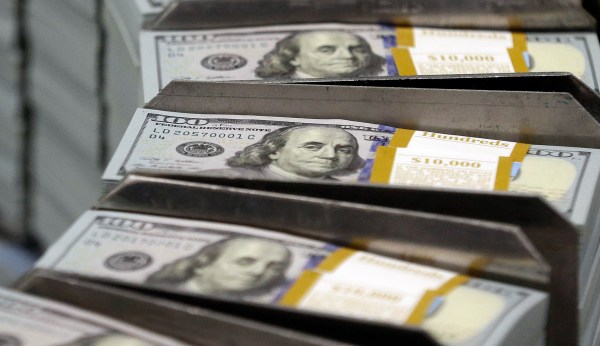
Since the end of the last economic slowdown six years ago, our elected leaders have been spending like the proverbial drunken sailors. When Mark Warner was sworn in as governor, our state’s two-year budget was $48 billion. Today, it stands at $75 billion, of which $700 million was added in February just five months ago.

This budget deficit exists precisely because the General Assembly has increased spending by 56 percent in six short years. Our economy is still growing, although at a slower rate, so tax revenue to Richmond is less than projected.

A spending splurge has been going on throughout Virginia, and we see the consequences in many of our county and city governments, which have cut spending increases or raised taxes this year. That’s because government just keeps spending whatever it can get its hands on.

On top of this state and local deficit, key Democrat congressmen have written our governor to tell him that bringing the private sector into joint efforts to confront our transportation crisis should end.

This incredible letter from Minnesota Democratic Rep. James Oberstar, chairman of the House Transportation Committee, and Oregon Democratic Rep. Peter DeFazio, head of the highways subcommittee, warns that such public private partnerships might harm the federal transportation program and actually allow the private companies to make a profit.

So at a time when excessive government spending has caused the current state deficit, some congressional leaders want to saddle our state and local governments with huge additional spending needs by denying private investments in transportation.

To reduce this year’s budget deficit and help avoid them in the future, we should be talking about limiting state spending, increasing budget accountability and transparency, and dramatically increasing public-private partnerships. Instead, we hear talk about taxincreases and efforts to end private help for our transportation needs.

Government leaders spend every dollar that comes in the front door. And as long as they don’t spend more than that, they tell the voters the budget is being carefully managed. But spending 56 percent more today than six short years ago is not the sign of financial responsibility.

And facing a spending deficit should be no surprise. It was only a matter of time before the economy stopped growing so rapidly. It was only a matter of time before projected spending increases would have to be scaled back.

You see, the two-year General Fund budget was increased $700 million earlier this year when it was quite clear the housing market was slowing. And now, we are told that we face a deficit of at least $300 million.

But who is standing up and saying that we can resolve this shortfall by merely cutting in half the increased spending approved by our General Assembly five short months ago? Maybe that’s too embarrassing an answer, especially in this election year.

Michael W. Thompson is chairman and president of the Thomas Jefferson Institute for Public Policy in Virginia.