

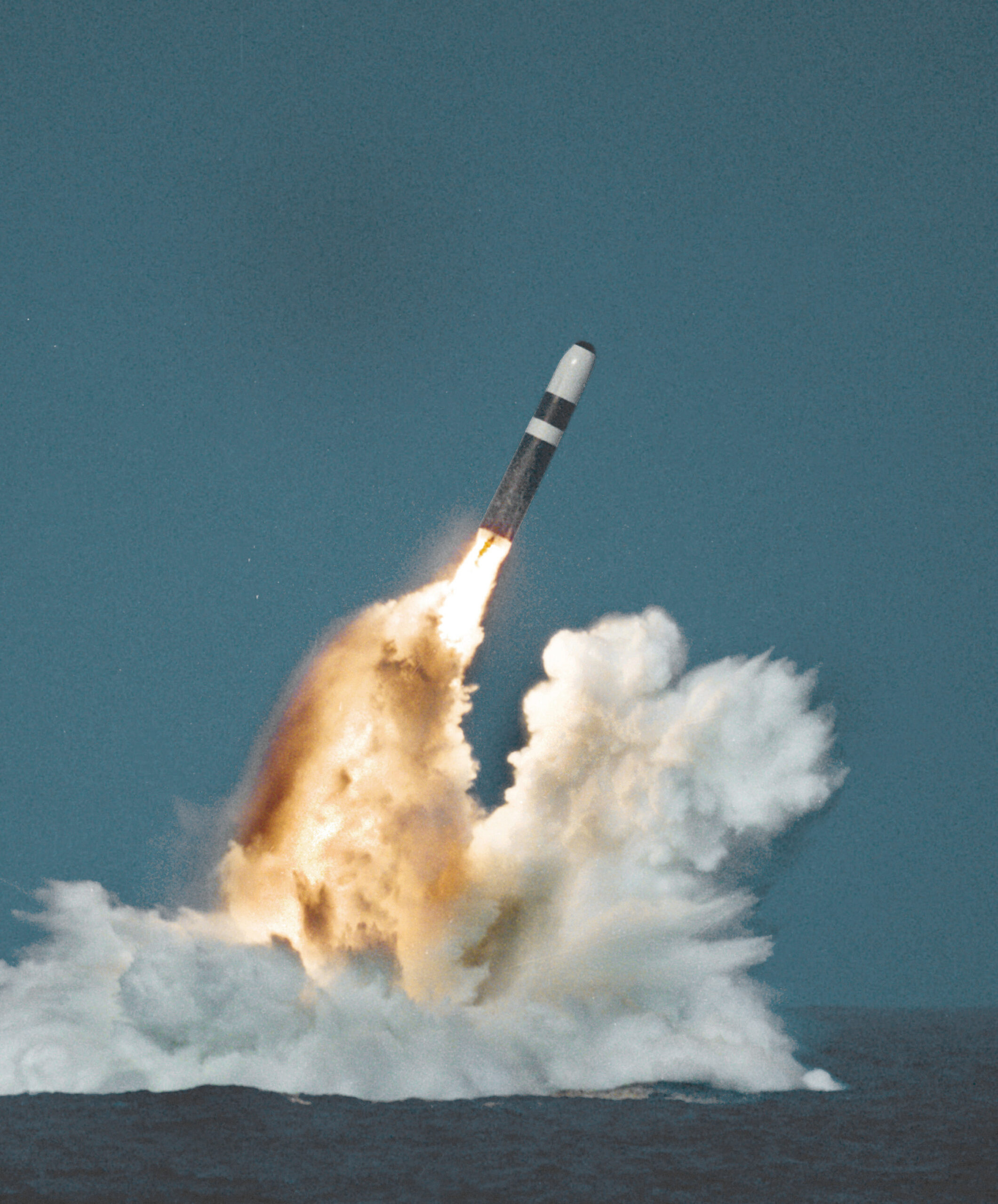
Zbigniew Brzezinski is not alone in his judgment that the Cold War was won in 1986 at Reykjavik, though the fact that Brzezinski was President Carter’s national security adviser shows that this is no partisan judgment. At Reykjavik, Ronald Reagan was offered the most sweeping arms control proposal in history. And he would have accepted it — had Mikhail Gorbachev not insisted that the price was American surrender of the Strategic Defense Initiative. Reagan walked out, stunning not just Gorbachev, but the entire American foreign policy establishment.
The importance of Reykjavik to winning the Cold War was that it kept American missile defense alive and made Gorbachev understand that nothing would stand in its way. The United States under Reagan was prepared to press its massive technological and economic advantage over the Soviet Union to achieve strategic superiority. Failing that, the United States would simply bleed the Soviets dry in any strategic competition. Reykjavik made clear to the Soviets the fate of their 70-year experiment of confrontation and military-technological competition with the West. They had long known that they were losing, but now they knew that the United States was not going to call off the game prematurely before their final defeat. After Reykjavik, the Soviet leadership took the only rational course left open to it: accommodation.
Stay informed.Stay ahead.
Join Washington Examiner for unlimited access to the news, analysis, and commentary that matter most.
Already a member? Log in
