
A majority of the hate crimes committed between 2004 and 2015 were not reported to police, according to new data from the Justice Department.
Data released late Wednesday from the department’s Bureau of Justice Statistics showed an average of 250,000 hate crimes were committed every year over that time span. But most of them were not reported.
Recommended Stories
The federal government characterizes hate crimes as those committed because of prejudice based on race, gender or gender identity, religion, disability, sexual orientation or ethnicity.
The bureau found that 48 percent of hate crime victims believed they were targeted because of race from 2011 to 2015.
During the same period, violent hate crimes accounted for the most of attacks — 90 percent. Most of the hate crimes during the five-year period were simple assault (62 percent), and 18 percent were aggravated assault.
But a little more than half of violent hate crimes, 54 percent, were not reported to police from 2011 to 2015.
The most common reason for not reporting a violent hate crime to police was that the situation was handled another way, such as privately or through a non-law enforcement official, like an apartment manager or school official.
Another 23 percent of victims did not report the violent hate crime because they thought law enforcement would not want to be bothered or get involved or that police would be inefficient or ineffective in dealing with the crime.
Nineteen percent of violent hate crime victims said their attack was not important enough to report to police.
The data is part of a broader report called the National Crime Victimization survey, which the U.S. Census Bureau conducts annually for the bureau.
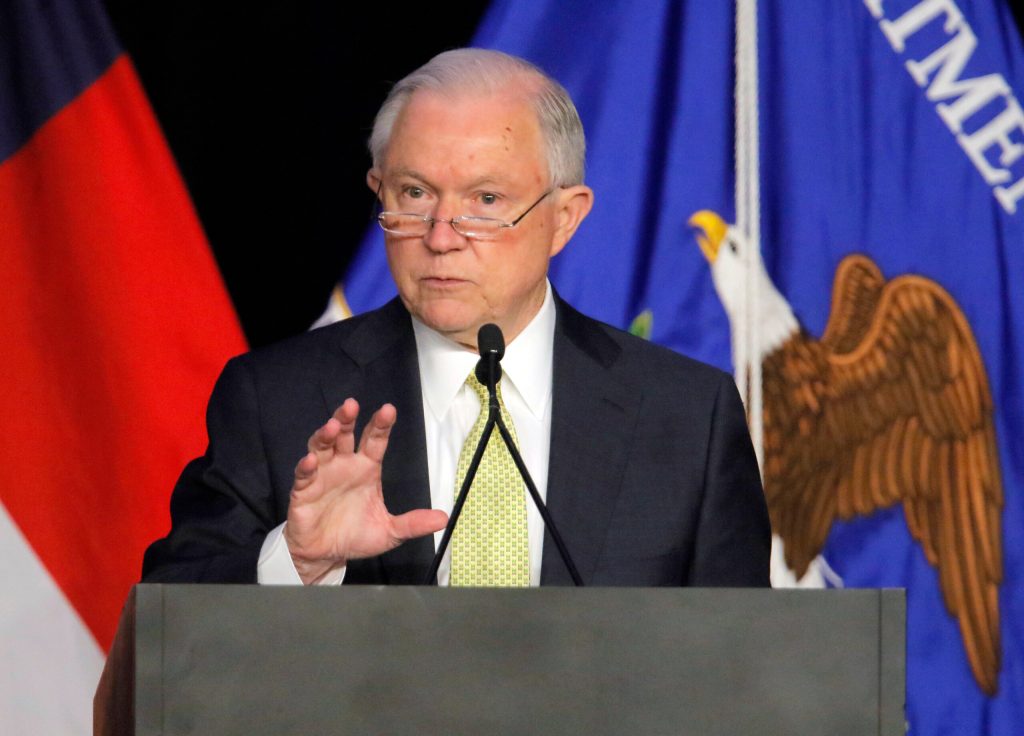
In April, Attorney General Jeff Sessions established the Hate Crimes Subcommittee, part of his Task Force on Crime Reduction and Public Safety. He is scheduled to speak about hate crimes to the subcommittee early Thursday in Washington.
