

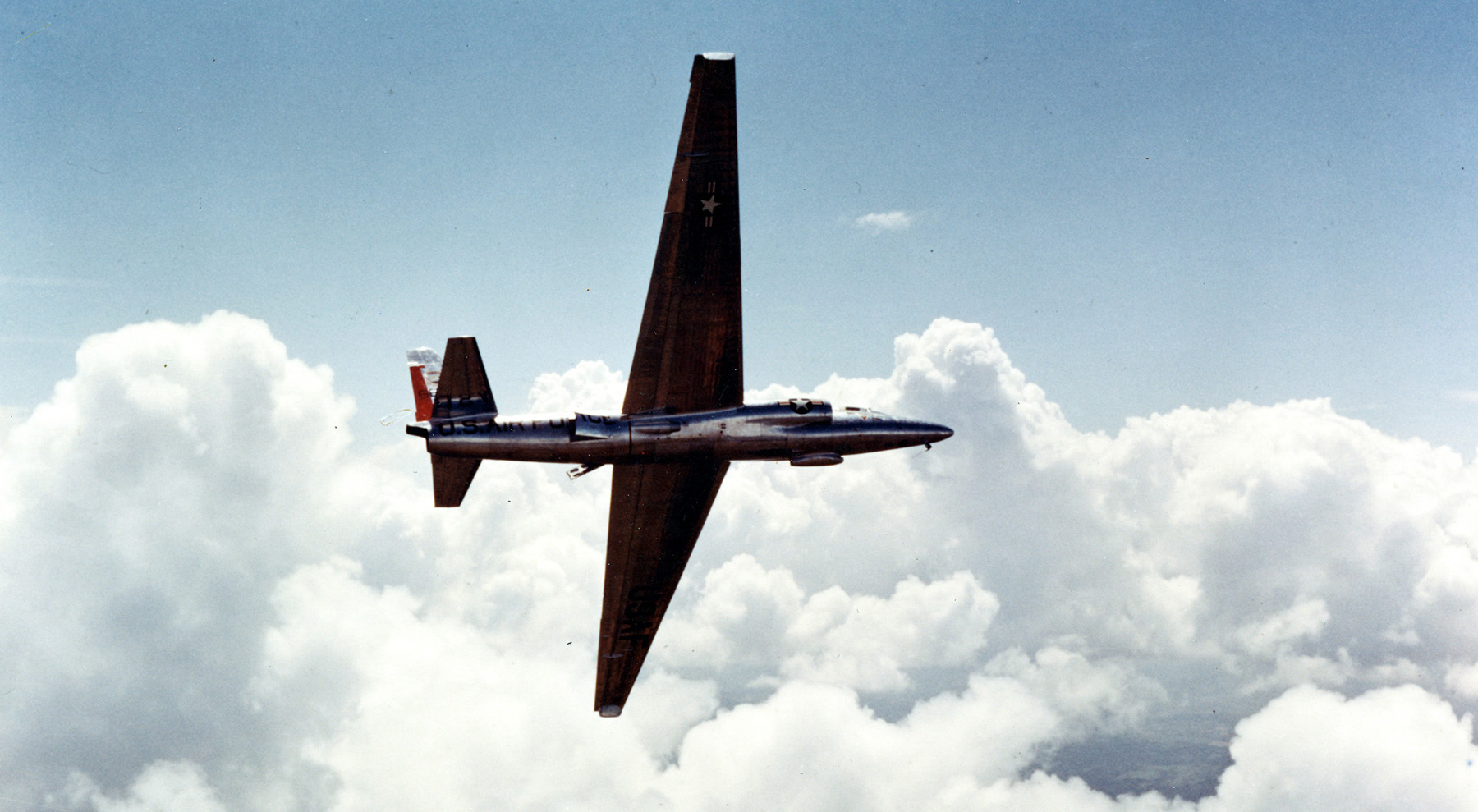
The U-2 spy plane figured in two of the most consequential American-Soviet confrontations of the Cold War. One plane, piloted by Francis Gary Powers, was shot down over the Soviet Union in 1960. President Eisenhower, assured by the CIA that neither the plane nor the pilot could have survived, insisted a weather reconnaissance aircraft had gone astray. After the USSR produced the pilot, still quite alive, and pieces of the aircraft, Eisenhower was forced to admit he had lied, then apologized and watched helplessly as his plans for a great-power summit collapsed. Two years later, U-2 planes discovered that the Russians had lied about the presence of nuclear-armed ballistic missiles in Cuba, bringing the United States and the Soviet Union to the brink of nuclear war before Nikita Khrushchev backed down.
While traditional forms of espionage—stealing documents or suborning those who possess secrets—remain staples of today’s intelligence agencies, the U-2 was one of the earliest high-tech attempts to peer into the secrets of America’s enemies. Its successes and failures demonstrate some of the risks and rewards of new methods of espionage.
Stay informed.Stay ahead.
Join Washington Examiner for unlimited access to the news, analysis, and commentary that matter most.
Already a member? Log in
