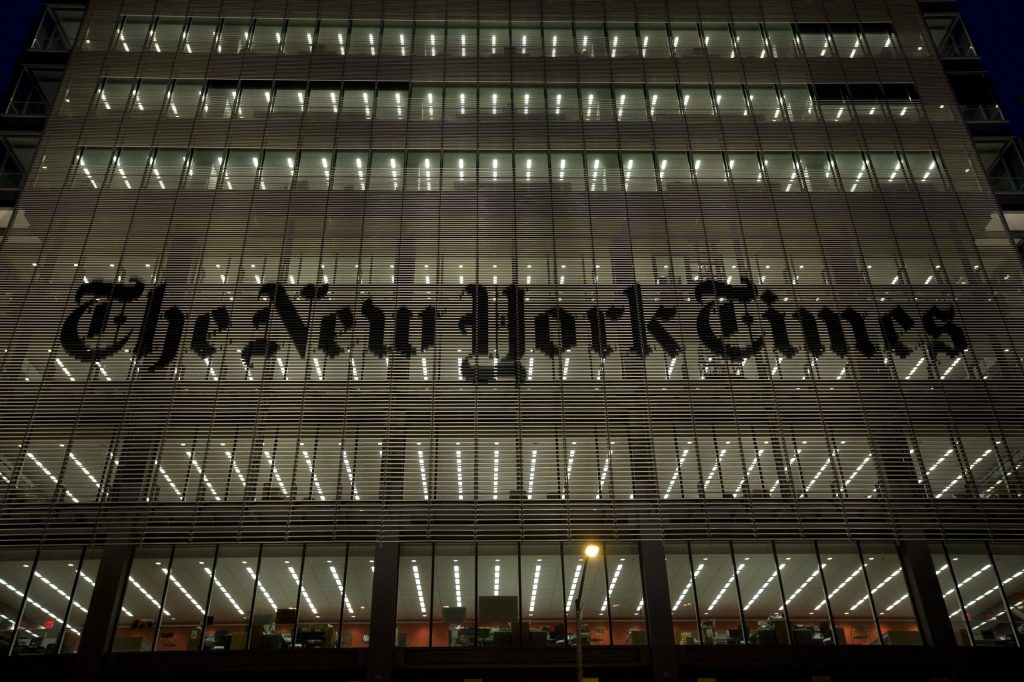
Scott Shane had an interesting piece over the weekend in the New York Times on a topic I wrote about last year: What should journalists do when they receive “authentic and newsworthy” information from a foreign intelligence service? The question has become salient again because of Amy Chozick’s worry that she was an “unwitting agent of Russian intelligence” due to her reporting about the Russia-hacked DNC emails in 2016. (Shane himself wrote in late 2016 that the Times had become “a de facto instrument of Russian intelligence.”)
Shane suggests that the problem with the DNC leak stories was not their content, which “revealed true and important things, including the party leadership’s hostility to Bernie Sanders’s campaign and the texts of Mrs. Clinton’s private speeches, which she had refused to release.” The problem, rather, was that “Russian hackers chose not to deliver to American voters the same inside material from the Trump campaign,” and thus “the tilt of the coverage was decided in Moscow.” By counting on reporters to “follow their usual rules” of reporting truthful information in the public interest, Shane concludes, “the Kremlin hacked American journalism.”