
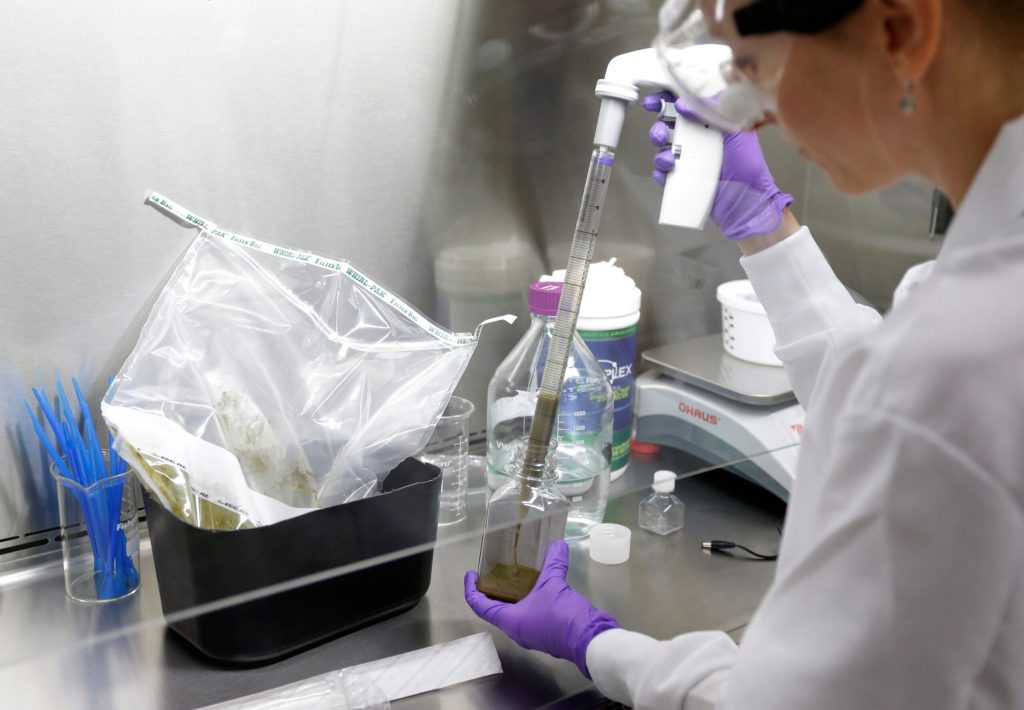
WASHINGTON (AP) — Imagine a low-cost treatment for a life-threatening infection that could cure up to 90 percent of patients with minimal side effects, often in a few days.
It may sound like a miracle drug, but this cutting-edge treatment is profoundly simple — though somewhat icky: take the stool of healthy patients to cure those with hard-to-treat intestinal infections. A small but growing number of physicians have begun using these so-called fecal transplants to treat Clostridium difficile, commonly referred to as C-diff, a bacterial infection that causes nausea, cramping and diarrhea. The germ afflicts a half-million Americans annually and kills about 15,000 of them.
Recommended Stories

Print subscriber? Click here to login/register your account
Digital subscriber? Click here to login/register your account.