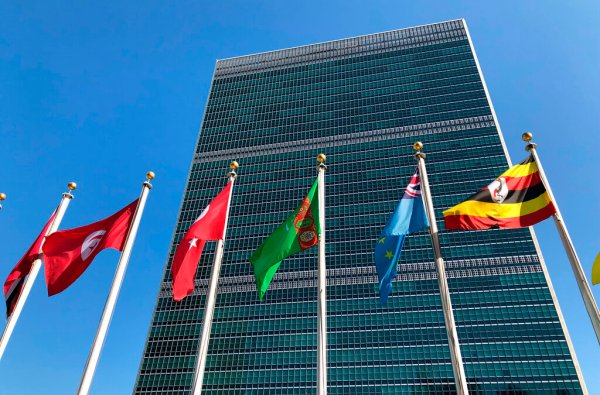
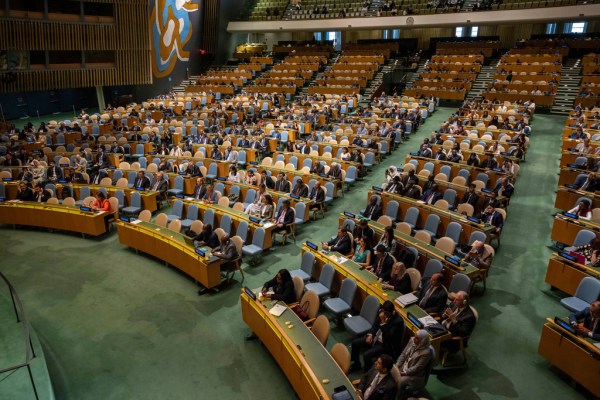
WHILE SOON-TO-BE U.N. Ambassador John Bolton patiently endures rhetorical broadsides from Barbara Boxer, Joseph Biden, and their Senate colleagues for his alleged “disdain of the United Nations,” it is worthwhile to pause and reflect on the merits and the track record of the U.N. security system. The United Nations is a diverse organization of many functions, but it was created for one primary purpose. As stated in the U.N. Charter’s preamble, the organization was formed to “save succeeding generations from the scourge of war” and to “maintain international peace and security.” It is accordingly by such a standard that the United Nations’ effectiveness must be judged.
United Nations enthusiasts often point to the fact that no general war between great powers has commenced during the U.N. era. Indeed, global conventional conflicts on the scale of World War I and World War II have not scarred the earth in the six decades since the writing of the U.N. Charter. While such restraint can be greatly attributed to the bipolarity of the Cold War, the deterrent effect of mutual assured destruction, and the subsequent emergence of American hegemony, proponents of the U.N. system can at least claim a correlative relation between the international body and the current enduring era of peace among the world’s great powers.