

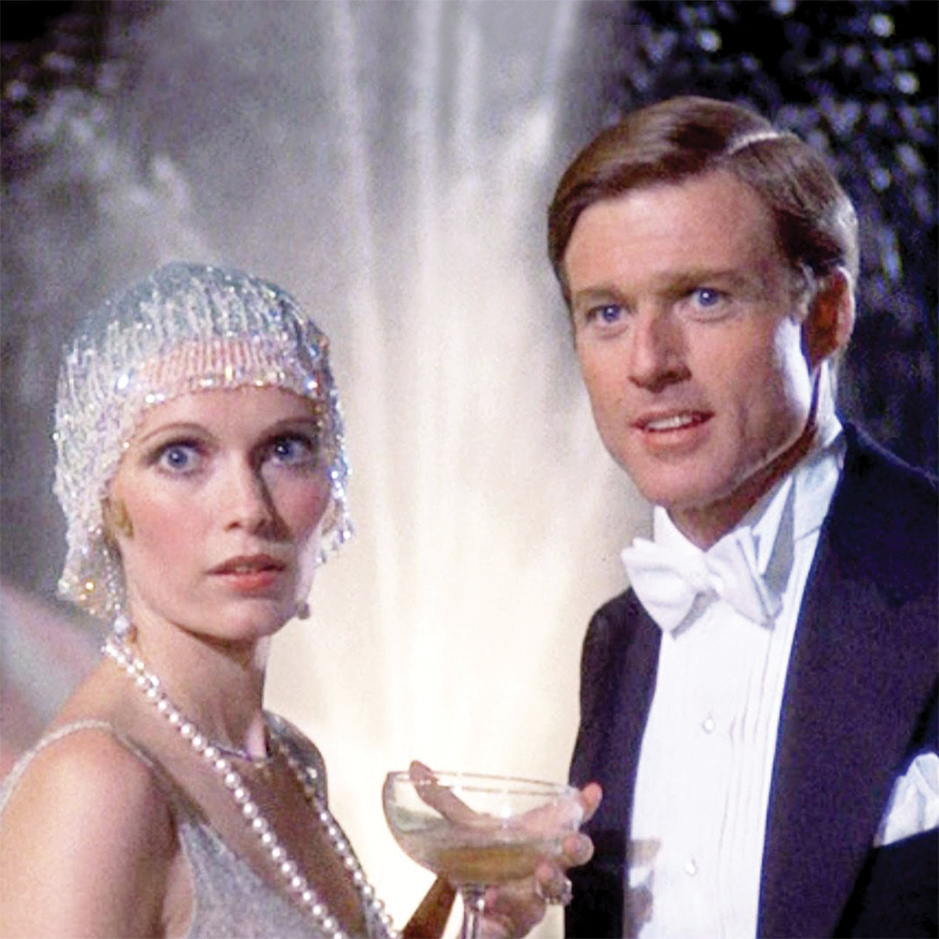
Do we need another biography of F. Scott Fitzgerald? Since Arthur Mizener’s inaugural one of 1951, there have been a number of successors including Andrew Turnbull’s (1962) and, most commandingly, Matthew Bruccoli’s “standard” one of 1981. This new one by David S. Brown concentrates, as the blurb tells us, on the “historical rather than the literary imagination of its subject.” (Brown is a professor of history.)
If this strikes one as a curious approach—what do we care about in Fitzgerald except his literary imagination?—it may be justified if one believes, as Brown does, that Fitzgerald was an unusually perceptive social critic of American life between the world wars. His first novel, This Side of Paradise, was published in 1920; 20 years later he succumbed to a heart attack, leaving as his legacy four novels (a fifth incomplete) and scores of short stories. The most famous of his books, The Great Gatsby (1925), is now required reading for most college and pre-college courses in literature; the other works elicit a good deal less attention. Brown would have us measure Fitzgerald’s importance not so much by aesthetic standards as by his “critical appraisal .  .  . of timeworn Victorian certainties,” a sociological-cultural explanation.
Stay informed.Stay ahead.
Join Washington Examiner for unlimited access to the news, analysis, and commentary that matter most.
Already a member? Log in
