On Christmas Day 1780, Virginia governor Thomas Jefferson instructed the head of his state’s militia, George Rogers Clark, to fortify Virginia’s western frontier against a British-Indian invasion. At the end of his instructions, Jefferson added his hope that the American “Empire of Liberty” would someday convert such dangerous enemies into “valuable friends.”
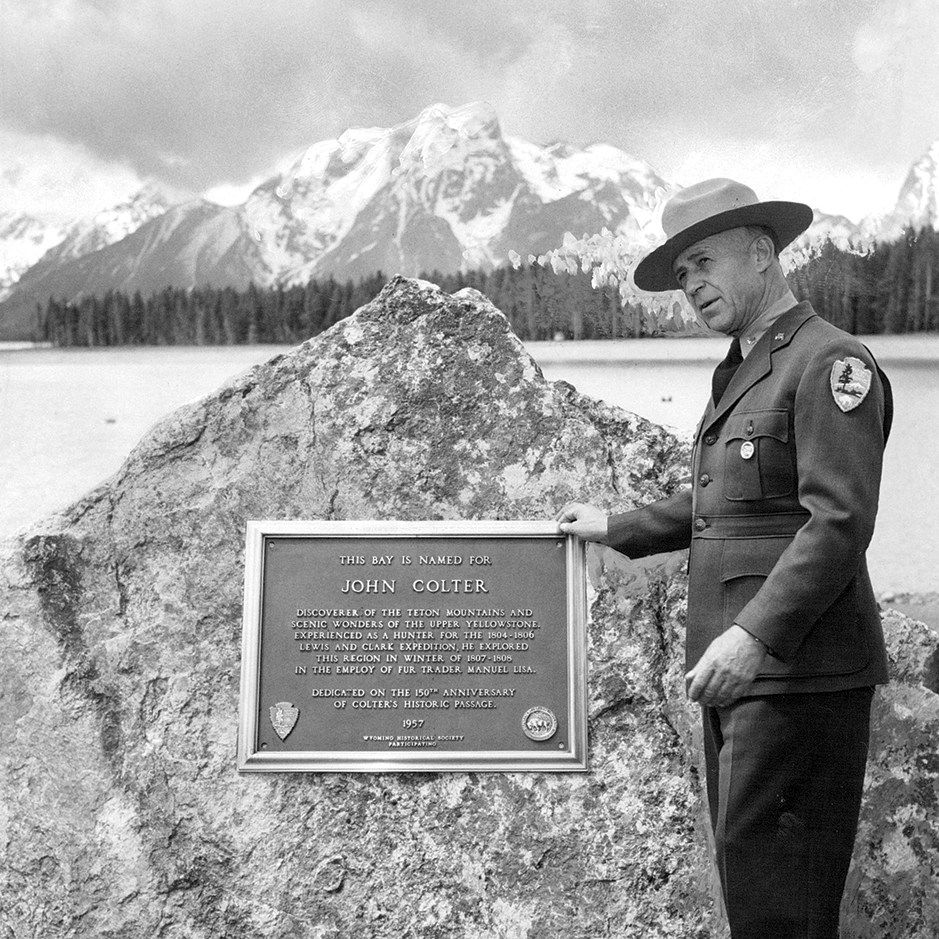
Jefferson’s dream of a western “Empire of Liberty” was threatened by European politics as soon as he became president in 1801. Spain had signed a secret treaty retroceding Louisiana to the expansionist plans of Napoleon, and Britain reportedly had staked a claim to the Columbia River, giving another continental antagonist a Pacific port with commercial access to the “wealth of the Orient.” By the summer of 1802, Jefferson was in serious discussions with his secretary, Meriwether Lewis, about undertaking an expedition to discover a Pacific passage for the United States. Jefferson and Lewis both embraced the optimistic idea of “geographical symmetry,” believing that the trans-Mississippi West would be the mirror image of the East’s gentle Blue Ridge mountains and navigable rivers. While Jefferson never ventured west of the Shenandoah, Lewis would be stunned by the reality of western geography.