
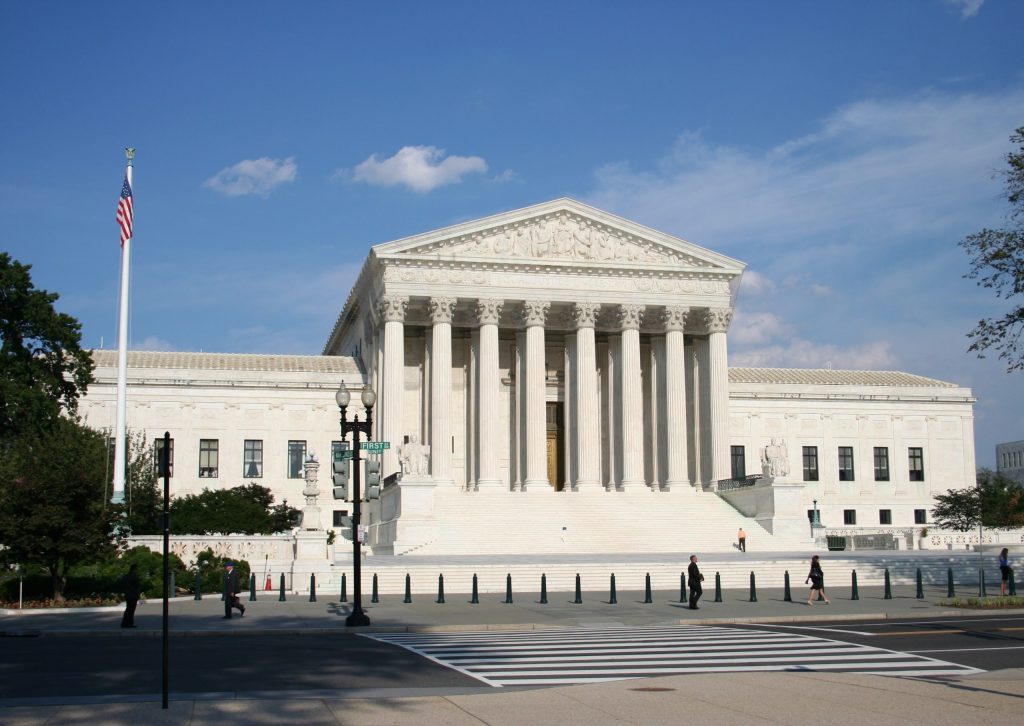
Dissenting from his eight fellow Justices in 1964, John Marshall Harlan II accused the Warren Court of stretching the meaning of the Equal Protection Clause on the judicial activism rack. Essentially, Harlan argued, the “One Person, One Vote” doctrine—as the Reynold v. Sims ruling quickly became known—manipulated the Fourteenth Amendment into funneling the general right of citizens to vote into the right to a particular kind of apportionment of state legislatures. Furthermore, although the Court ruled that state legislative seats “must be apportioned on a population basis,” rather than on geographic or political subdivisions, it had refused to specify how the States ought to translate that in practice.
Recommended Stories

Print subscriber? Click here to login/register your account
Digital subscriber? Click here to login/register your account.