European governments have long forgotten that their primary task is the defense of those they govern. The two most prominent European powers, France and Great Britain, spend only 2.3 percent and 2.4 percent, respectively, of their GDP on military spending – amounting to less than what Djibouti and Namibia each spend on their militaries, in proportion to their GDP. The economic crisis has provided perfect political cover for those who have long favored slashing European defense spending even further to start getting their way – and they’re proposing greater cuts, anywhere between 25 percent to 40 percent of the military budget.
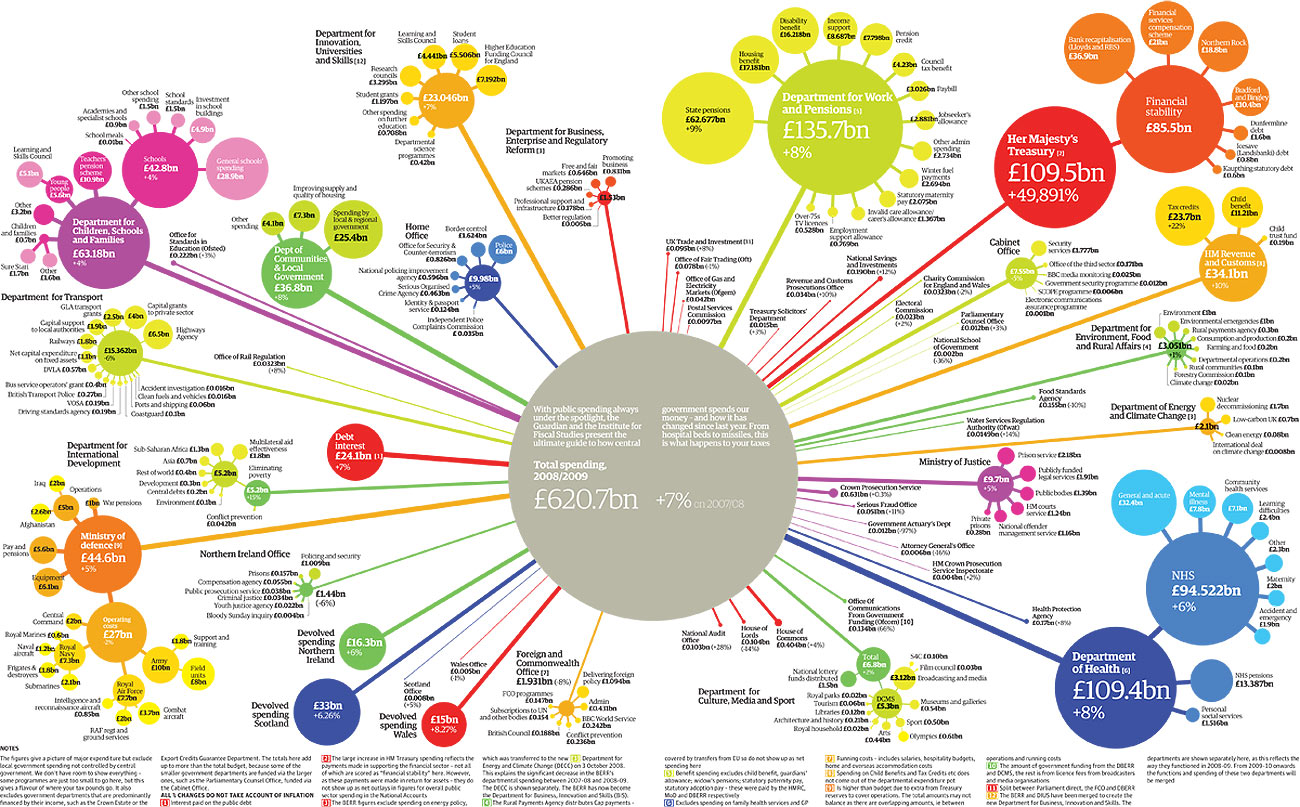
The degradation of the military is not a recent phenomenon. The UK has done defense on the cheap for years. Former prime minister Gordon Brown decided in 2007 that defense minister was not even a full-time job, asking a cabinet loyalist to do both that role and be secretary of state for Scotland. The current deputy prime minister, Nick Clegg, believes that Britain should get rid of Trident, its nuclear deterrent. Last month he claimed that “It’s going to be difficult for someone who is going to receive less housing benefit… to understand why we should spend huge, huge amounts of money on replacing Trident.” To put this in context: the Department for Work and Pensions receives over £150bn a year and the National Health Service nearly £94.5bn. The total cost of replacing Trident – which will last between 25 and 35 years – is £20bn. Yet the Treasury is breaking with tradition by refusing to fund it, meaning that the Ministry of Defense will have to – an outlay that will account for over 50 percent of its total budget.