

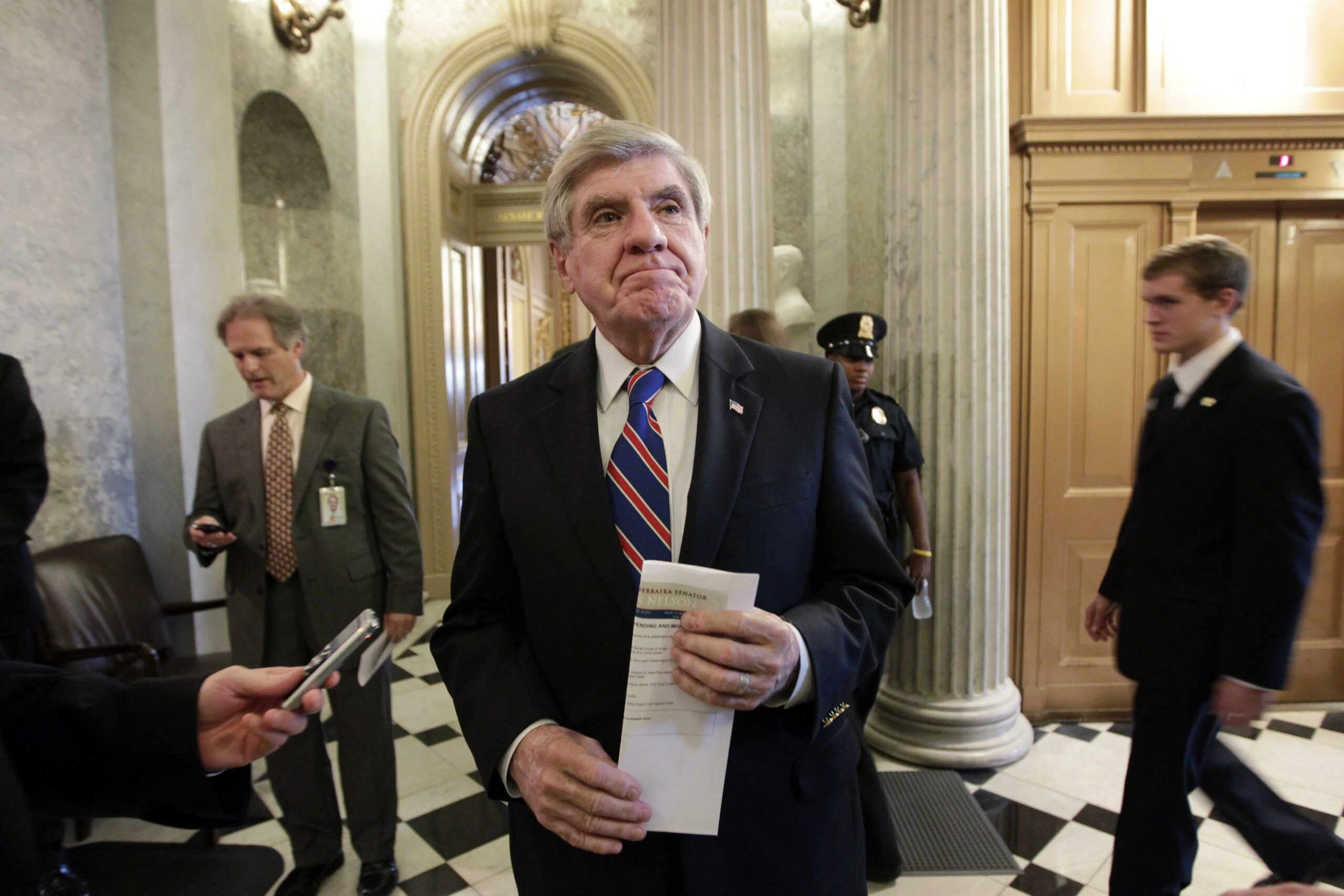
The Senate on Tuesday blocked debate on the Democratic jobs-creation bill, essentially killing a proposal that President Obama has for weeks been promoting across the country as the solution to the nation’s economic woes.
Democratic congressional leaders argued the bill would be a critical means of boosting the economy. But Republicans and a handful of moderate Democrats labeled the plan a second stimulus measure that would damage a weakened economy by raising taxes and driving the nation further into debt.
The bill, needing 60 votes to clear a procedural hurdle, failed on a 51-48 vote, with only Democrats supporting it.
Democratic leaders pressured a few of their members from critical swing states to support the bill so they could secure at least 50 of the 53 votes they control, a margin too small to pass the bill but large enough to allow Obama to blame the failure on Republicans, something he did minutes after the vote.
“Even though this bill contains the kind of proposals Republicans have supported in the past, their party obstructed the Senate from moving forward on this jobs bill,” the president said. “With each vote, members of Congress can either explain to their constituents why they’re against common-sense, bipartisan proposals to create jobs, or they can listen to the overwhelming majority of American people who are crying out for action.”
The jobs bill would spend $447 billion on payroll tax cuts, infrastructure improvements and aid to the states. Obama proposed paying for it by increasing taxes on people earning more than $200,000 a year. But congressional Democrats rejected that plan because it would hit such a broad group of taxpayers. Instead, lawmakers added a 5.6 percent surcharge on people earning $1 million or more.
Despite that higher threshold, however, not all Democrats supported the bill. Some agreed to advance the bill for a vote, but then opposed it when those votes were cast.
Sen. Jim Webb, D-Va., was among those who would not support raising taxes on earned income. Webb instead proposed raising the 15 percent capital gains tax, which he said would bring in more revenue, more quickly, than the Democratic proposal.
“The president’s proposal looks good at first glance and sounds good in a TV [sound] bite, but I do not believe this is smart policy and it does not go to where the real economic division lies in our country,” Webb said.
Democrats indicated Tuesday that they would break the package down into smaller elements that might garner bipartisan support, such as a provisions to extend payroll tax cuts.
Another possible proposal from the Democrats would pair the creation of an infrastructure bank sought by Democrats with a GOP plan to lower taxes on companies that return overseas profits to America.
But there is no chance the major spending aspects of Obama’s jobs package will ever pass Congress.
In the House, where Republicans have refused to take up the bill, Majority Leader Eric Cantor, R-Va., said lawmakers are moving on their own economic agenda, which is focused on reducing government regulation.
“We will continue to work towards repeal of the onerous regulations that are threatening the creation of jobs and costing business and small businesses and entrepreneurs the ability to do so,” Cantor said.
