

President Trump’s call during his State of the Union address for nationwide family leave led to applause from lawmakers and even a holler from one Republican, but conservative groups are sitting on their hands, fearing the president is about to create a new entitlement program that could quickly expand.
“The biggest concern is the potential explosion of the program over time, and then having a federal program be the one source that everyone has to go to would not serve workers well,” Heritage Foundation research fellow Rachel Greszler told the Washington Examiner. “They would be far better off having a more tailored policy through their employer.”
Recommended Stories


When Trump addressed a joint session of Congress on Tuesday for his State of the Union address, he touted the paid leave proposal outlined in his 2019 budget blueprint.
“I am also proud to be the first president to include a plan for nationwide paid family leave so that every parent has the chance to bond with their newborn child,” Trump last week.
The president’s budget proposal called for six weeks of paid family leave to new mothers and fathers. Though the blueprint didn’t go into specifics, the White House said the unemployment insurance system would be used as a “base” and give states the authority to establish paid leave programs that fit their workforce and economies.
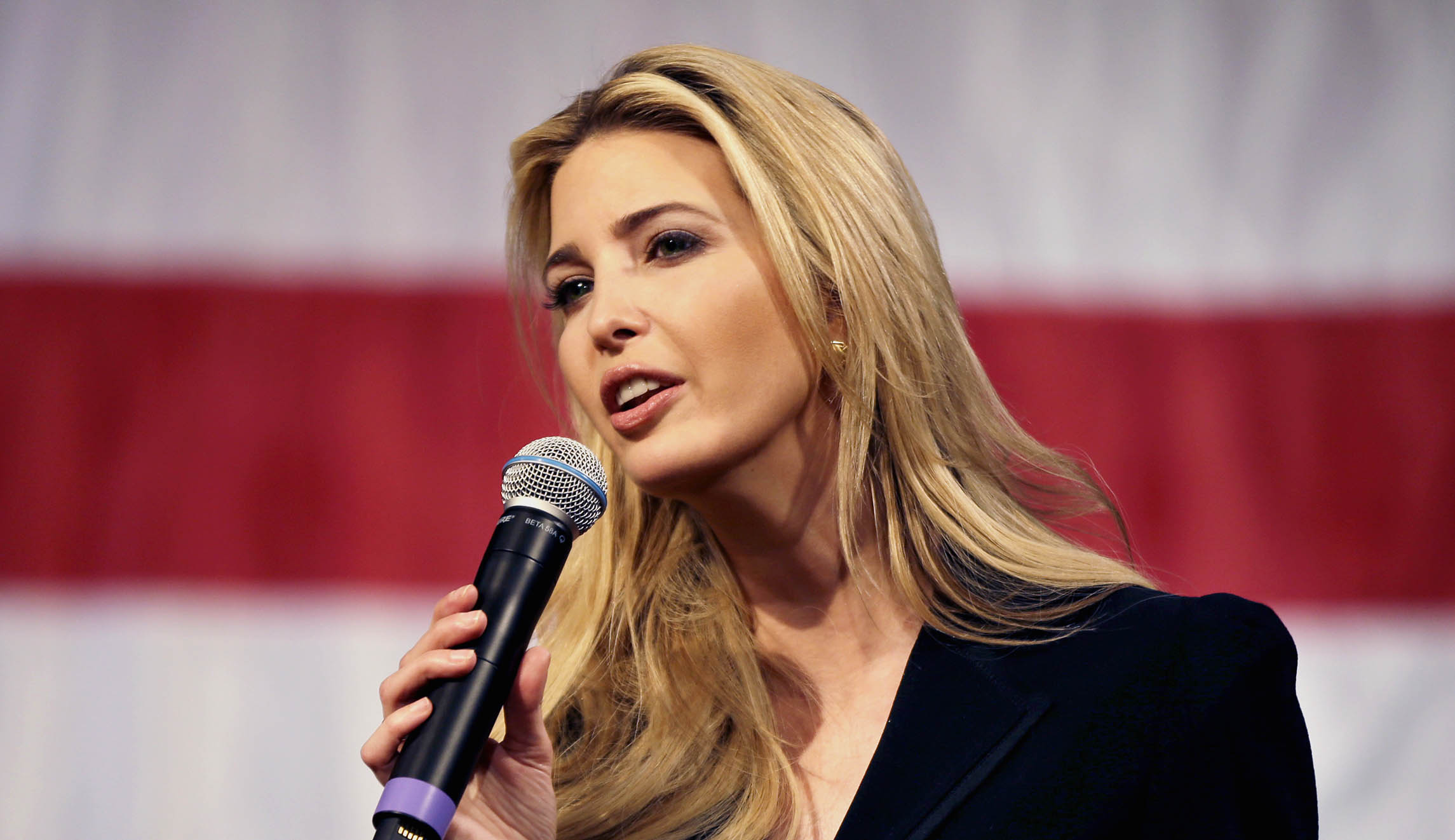
Trump’s comment was met with applause from the House chamber and even a shout of “yes!” from Rep. Ann Wagner, R-Mo., who, with Sen. Marco Rubio, R-Fla., and Ivanka Trump, the president’s daughter and a senior White House adviser, have been working to get a proposal for family leave through Congress.
But conservative policy experts have concerns with both the proposals offered by Rubio and Wagner, as well as the president’s plan to use unemployment insurance as the base for paid leave.
“The issue of paid leave from a conservative standpoint is competing values,” American Action Forum Director of Labor Market Policy Ben Gitis told the Washington Examiner. “It’s pro-work, it’s pro-family, but on the other hand would be a new government program. It would require new spending and it impacts the private sector and some form of private market intervention, which conservatives aren’t too often excited about.”
Additionally, Trump’s proposal would offer a universal benefit, while Gitis said a policy that specifically targets low-income workers would be more cost-effective and protect private-sector benefits.
Under the family plan from the White House, the cost would eventually be shifted onto workers as states, and then employers, figured out how to pay for the benefit, Greszler said.
“It’s a mandate on the states, she said, “so they’re going to have to come up with the costs on that.” Conservatives also note that implementing nationwide paid family leave would result in yet another entitlement program.
Vanessa Brown Calder, a policy analyst at the Cato Institute, said federal family leave is at odds with several traditional conservative principles, including federalism.
“We need to not forget about how the Republican Party has traditionally been really invested in guarding and protecting federalism and allowing different states and cities to experiment with different public policies, especially when it comes to a paid benefit program,” she told the Washington Examiner.
“Whenever you have some type of social insurance policy, you have to pay for it with tax revenue. Republicans are probably not going to want to be seen as a group that is raising taxes in any way, so that could be an issue,” she added. “Even if they say, ‘OK, we’re not raising taxes, we’re going to do deficit spending,’ Republicans don’t like deficit spending, so that’s an issue, too.”
Instead, Calder said states and cities should be left to craft their own paid leave policies, as opposed to a nationalized proposal as touted by the president.
“Then they can respond more accurately to what the needs of their constituency is, and they can also honor the preferences of their constituents in a way that’s not possible if you have a broad-brush policy at the federal level,” Calder said. Already, six states and the District of Columbia have enacted paid leave policies, according to Calder’s research, and more state legislatures are pursuing such proposals.
Like Gitis, Calder said a national paid leave program and the federal government’s involvement would likely grow. “What would most likely happen is over time, the federal government would become more and more involved in creating some type of standard for states to follow,” she said.
