Even with all eyes turned toward Egypt and the increasingly violent rifts pulling that society apart, the region’s active civil war in Syria burns on. Last Thursday, the two-and-a half-year-long conflict touched neighboring Lebanon, again, when a bomb detonated in the Hezbollah-held southern suburbs of Beirut killing 27 people and wounding hundreds. Claiming responsibility for the attack, the second to strike the Dahiyeh in the last month, was a previously unknown group, the Brigade of Aisha, Mother of the Faithful, a Sunni Islamist organization that was almost certainly acting on behalf of Syrian rebel units. The message to Hezbollah is clear: If you fight alongside Bashar al-Assad’s forces in Syria, we will take the war to your homes in Lebanon.
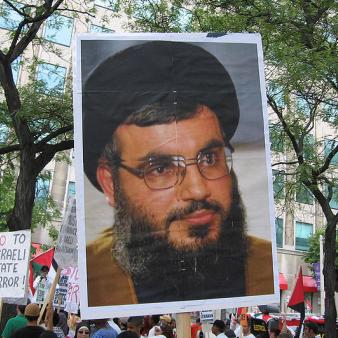
The explosion targeted civilians, said Hezbollah general secretary Hassan Nasrallah, distinguishing the Shia community at large from Hezbollah members. “The assailant wanted to cause a big loss of life among the ranks of women, children and people,” Nasrallah explained. Here the Hezbollah chieftain is slightly off-message. As the party of God and its supporters typically argue, Hezbollah isn’t simply a militia with fighters, guns and money, or a political party representing Lebanon’s Shia community, it’s a way of life. As Amal Saad Ghorayeb, a Middle East scholar who reliably puts out Hezbollah’s line argues, “Hezbollah is a community, it’s a people based on a grassroots movement.” If that’s the case, then there are no civilians in the community and everyone, including “women, children and people,” is a legitimate target.