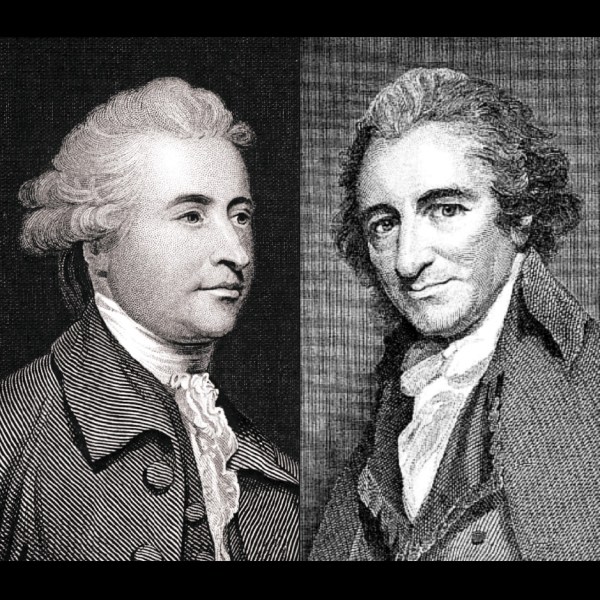
In 1789, the young Frenchman Charles-Jean-Francois Depont wrote to Edmund Burke and asked for his impression of the nascent French Revolution. Enthusiastic about the revolution, Depont hoped that the British statesman and philosopher would affirm its success. An endorsement, however, was not forthcoming.
In his reply to Depont—Burke’s first assessment of the revolution that he famously and vehemently opposed—he admitted that England’s constitutional monarchy was not the only form of government that could achieve “real practical Liberty.” France’s democratic stirrings, however, did not meet this goal of securing ordered liberty. “I must delay my congratulations on your acquisition of Liberty,” Burke wrote. “You may have made a Revolution, but not a Reformation.”