

My recent article on the proposed repeal of the 1993 Don’t Ask/Don’t Tell law drew a considerable amount of feedback, most of it private. One of the more significant public responses came from David Rittgers, a legal analyst at the libertarian Cato Institute.
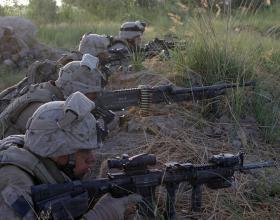
Rittgers takes me to task for being “too quick to dismiss the fact that other first-rate militaries have allowed gays to serve without damaging readiness.” However, I never made that argument. I said that allowing gays to serve would damage combat effectiveness, which is an entirely different matter. “Readiness” is merely a measure of a military unit’s ability to deploy for combat in a timely manner; “combat effectiveness” is a measure of how well it will fight once it arrives. Readiness is a function of manpower, materiel and training, which are fairly objective criteria. Combat effectiveness is something more subjective and difficult to measure in advance. Not only are the two unrelated, they are often antithetical. For instance, a newly-raised unit will have all of its personnel and equipment in excellent condition; it will have passed all of its training exercises, and thus will score very high for readiness. But until tested in battle, its combat effectiveness is an unknown quantity—it may fight well or poorly, depending upon a host of unknowns—unit leadership, the appropriateness of training and tactics, and, of course, small unit cohesion. So, a unit with a high combat readiness score may not have high combat effectiveness.
Stay informed.Stay ahead.
Join Washington Examiner for unlimited access to the news, analysis, and commentary that matter most.
Already a member? Log in
