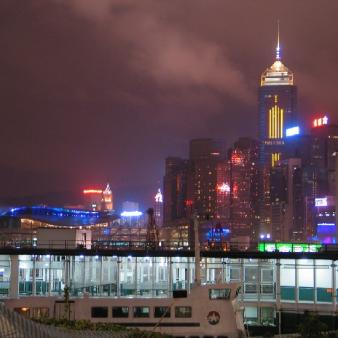
In the midst of an upheaval in the prosecution of the Afghanistan war, the G-8 and G-20 meetings, and the continuing saga of the BP oil spill, a political earthquake that took place in Hong Kong last week escaped notice.
The big news was not actually the passage of political reforms by the territory’s partially democratic legislature — it was, instead, how these reforms came to be and what they actually mean. The reforms were minor and the details arcane: Hong Kong’s leader, in the future, will be selected by a committee of 1200, up from 800, in an electorate of almost 3.5 million registered voters. There will be ten new seats, and some of these will be chosen in a complicated way that is better than was initially proposed. The legislation contained no commitment to the fully democratic election of the chief executive or for the legislature itself, which will continue to include members representing “functional constituencies” (small electorates dominated by anti-democracy allies of Beijing). Citing their continued commitment to full democracy, and concerns about legitimizing features of the current system, members of the Civic Party and the League of Social Democrats, and independent pro-democracy legislators voted against the proposal.