

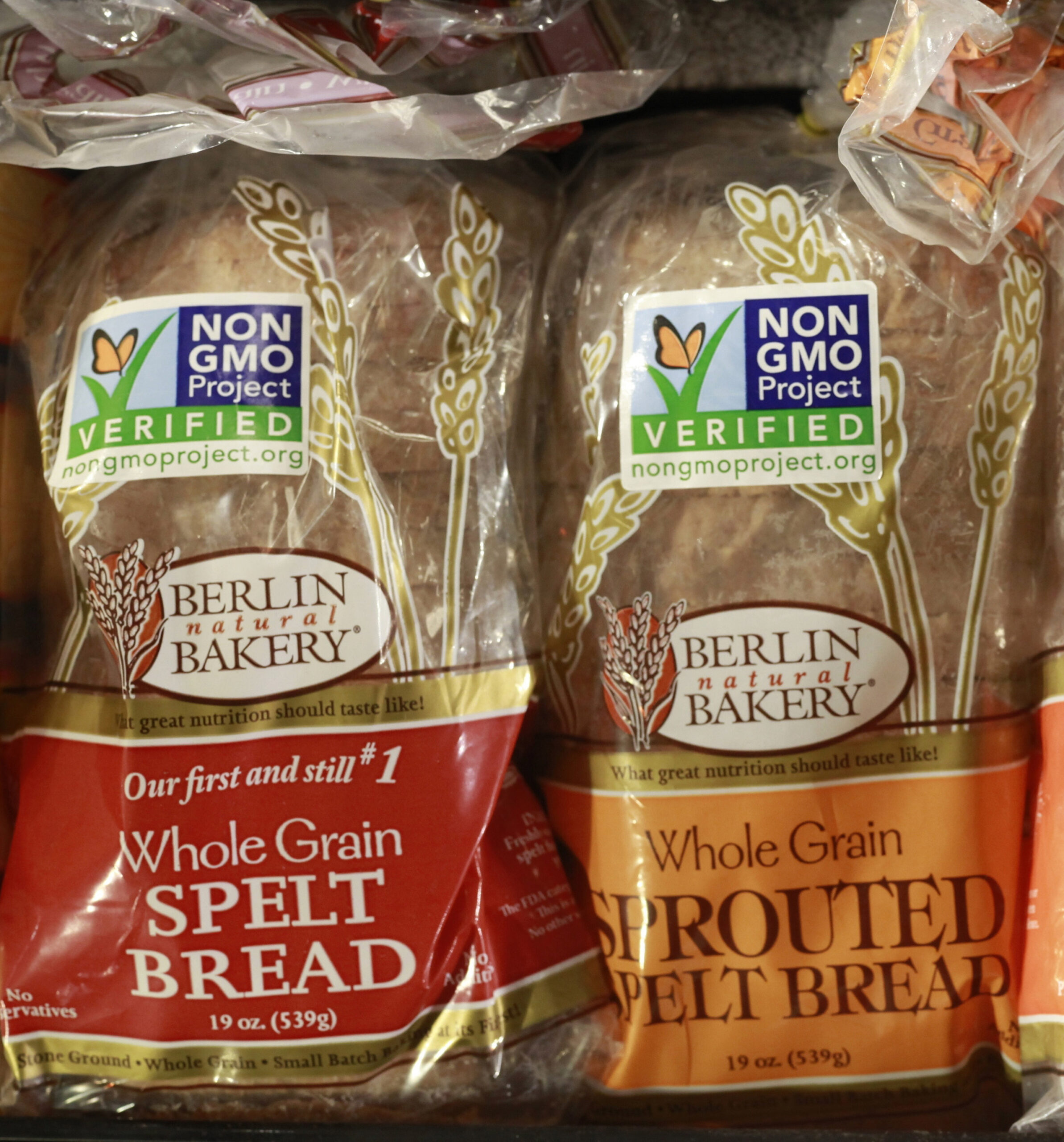
WASHINGTON (AP) — One of the biggest stumbling blocks to securing a massive free trade agreement between the United States and Europe is a sharp disagreement on genetically modified foods.
Much of the corn, soybean, sugar beets and cotton cultivated in the United States today contains plants whose DNA was manipulated in labs to resist disease and drought, ward off insects and boost the food supply. Though common in the U.S., they are largely banned in the 28-nation European Union.
Stay informed.Stay ahead.
Join Washington Examiner for unlimited access to the news, analysis, and commentary that matter most.
See Options
Already a member? Log in
Already a print subscriber? Click here to login/register your account
