

Less than a week ago, on September 2, House Minority Whip Eric Cantor had an op-ed in USA Today. It was a perfectly good statement of GOP opposition to President Obama’s plan to raise taxes on upper-income Americans. Though Cantor mentioned GOP alternatives, his piece was fundamentally a statement of opposition: “Republicans categorically oppose hiking taxes in times of economic crisis [emphasis added].” And it presumed–perhaps for rhetorical effect–that Republican opposition would (unfortunately) be ineffectual: “Next year, President Obama is going to preside over one of the largest tax increases on families and small businesses in American history.”
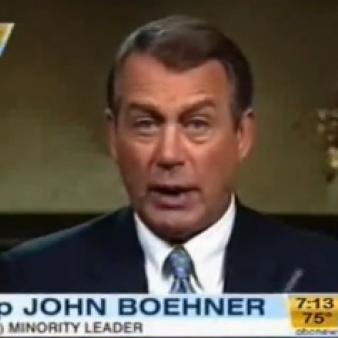
Today, the GOP begins to move beyond expressions of lamentation and opposition to proposals for governing. During an appearance on Good Morning America, House Minority Leader John Boehner laid out the core of the short-term GOP governing agenda: A two-year extension of current tax rates, and a cut in domestic discretionary spending back to 2008 levels. Boehner presents this as something he–and Republicans–would like to see legislated, certainly in January if they take control and he becomes speaker, but even this month, if Democrats and the Obama administraton will cooperate. Thus Boehner’s statement this morning that he is willing to work in a bipartisan way with Democrats–and with the Obama administration–to make this tax and spending freeze law now.
Stay informed.Stay ahead.
Join Washington Examiner for unlimited access to the news, analysis, and commentary that matter most.
Already a member? Log in
