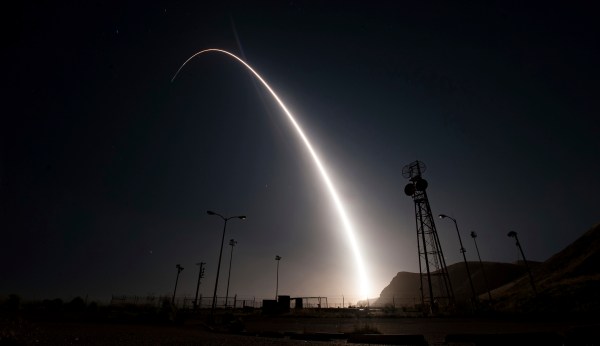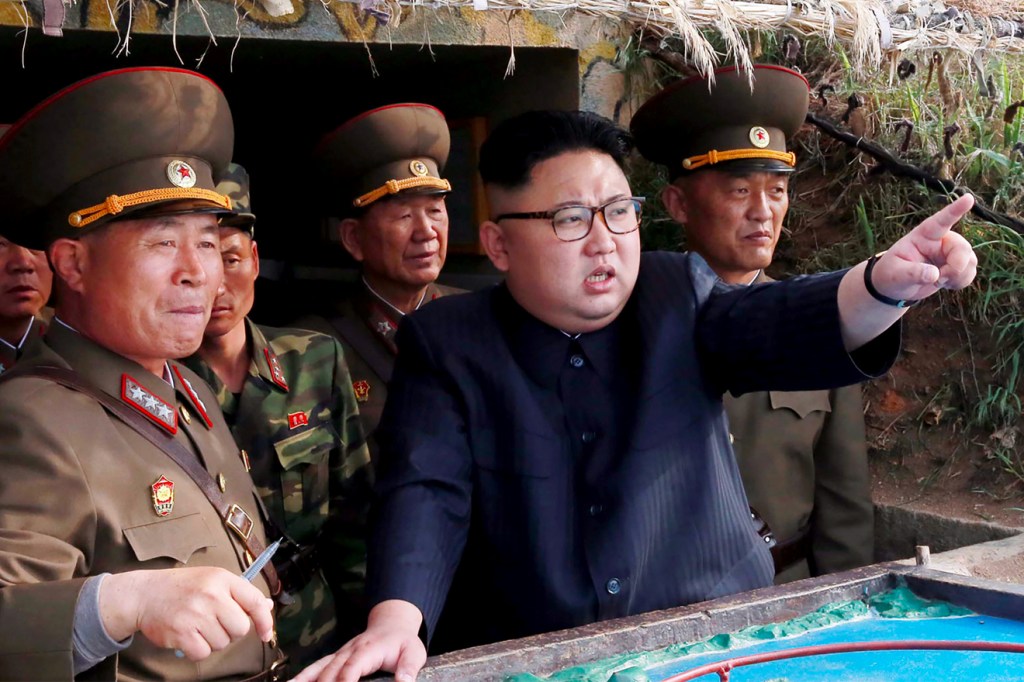
As Kim Jong-un’s cavalcade of menace has proceeded across the 2017 calendar, revealing a North Korean arsenal that now includes a hydrogen bomb and missiles capable of reaching New York City and Washington, D.C., America’s strategic posture has been old and familiar (if now more colorfully put)—deterrence (“fire and fury”), sanctions, entreaties to China, and even the prospect of a diplomatic sit-down with the renegade regime.
Missing, or, at least, relegated to the margins, is any clear articulation of the role of American missile defense. “I don’t hear enough about it, and this baffles me,” says Jon Kyl, the former Arizona senator who is now a Washington think-tanker and a member of the congressionally mandated Commission on Defense Strategy. “It seems so obvious that the first thing you have to do with North Korea is shore up your ability to ensure that they can’t damage us or our allies. Once you’ve done that, then you’ve got a lot more flexibility to do whatever you’re going to do—whether it’s with more sanctions or whatever.”