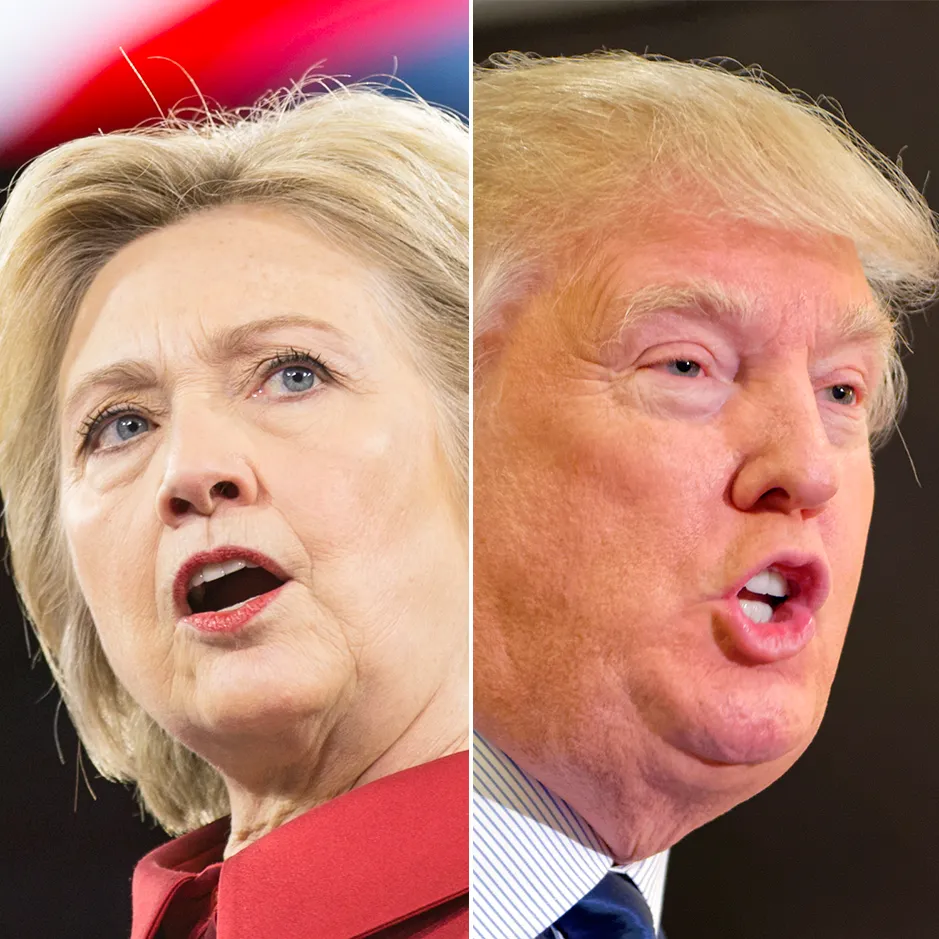
Polls show that we are approaching our date with the November 8 election as a 50-50 America when it comes to choosing between a self-styled billionaire who might initiate a major war if some foreign leader insults him, and a woman whom the FBI has demonstrated has not even a passing acquaintance with the truth. Set aside the peculiar personal proclivities of these candidates, Donald Trump for bombast, incoherence and narcissism, Hillary Clinton for concealment, lies, and tight self-control. The good news is that when we concentrate on policy issues, we don’t lack for choice.
Start with taxation. Trump and the Republicans want to cut taxes, with the largest benefits going to the highest earners, who of course pay the most taxes. Out go capital gains taxes and the estate tax. Down goes the top individual rate from 39.6 percent to 25 percent in the Trump plan and to 33 percent in House speaker Paul Ryan’s plan. Down comes the top corporate rate from 35 percent to 20 percent. In come consumption taxes, at least in Ryan’s version. Clinton would trump Trump’s cut-and-borrow-and-spend with that old Franklin Roosevelt standby, tax-and-spend. She would raise taxes on the rich immediately, and on everyone else when the bills come due for free college educations, a $275 billion, five-year infrastructure program, enriched benefits for widows, bailouts for students with loans they cannot or do not care to repay, $5,000 per family to cover uninsured costs of drugs and medical care, universal pre-K, child care and whatever else might occur to her as the campaign wends its way around the country. In order to discourage “short-termism,” which Democrats blame for the failure of business investment and wages to rise, Clinton would raise capital gains taxes on investments held for only two-to-three years from 23.8 percent to 36 percent, and lower them every year thereafter by four percentage point until they reach the current long-term rate of 20 percent.