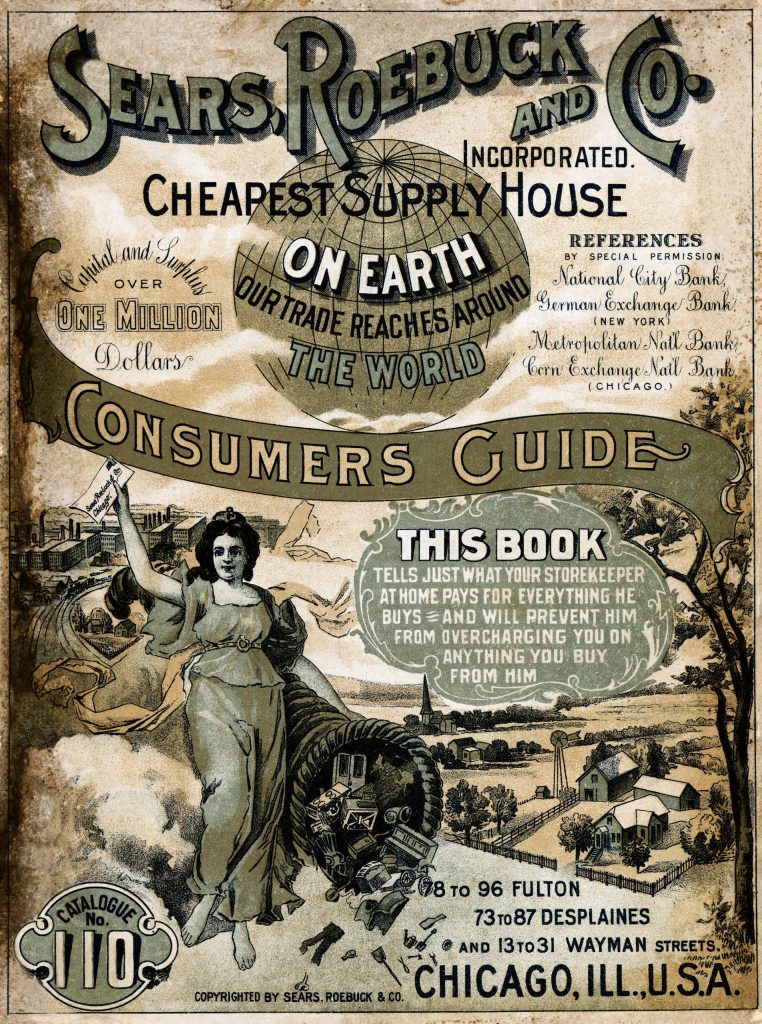
Jeff Bezos could be forgiven for feeling ambivalent this morning. On the one hand, the bankruptcy (and likely liquidation) of Sears is a good thing for Amazon, as it represents the elimination of another competitor. But it’s also a chilling reminder of mortality, like passing a grisly car accident on the side of the highway. Sears, after all, was the Amazon of its day: A bona fide behemoth, an “everything store,” even an innovative delivery business. Shopping at Sears was one of the basic tasks that marked someone as a member of the American middle class. If Sears can fail, then there’s nothing that can’t.
As has been widely chronicled in the business press, Sears was badly mismanaged by Eddie Lampert, its chairman and CEO. If Warren Buffett is the cuddly grandfather of American capitalism, investing in solid, well-managed businesses so they can prosper in the long run, Lampert is the sleazy uncle who shows up to the family reunion each year with a different girlfriend and new sports car. The hedge fund titan stripped Sears (and its subsidiary Kmart) for parts, selling off its valuable businesses and its best real estate to other companies . . . that Lampert happens to own a substantial stake in. He refused to invest in the business, which is why your average Sears and Kmart today feels like a shop in East Germany circa 1983.