<mediadc-video-embed data-state="{"cms.site.owner":{"_ref":"00000161-3486-d333-a9e9-76c6fbf30000","_type":"00000161-3461-dd66-ab67-fd6b93390000"},"cms.content.publishDate":1654691257850,"cms.content.publishUser":{"_ref":"00000162-07b2-d172-a563-4ffafb0a0000","_type":"00000161-3461-dd66-ab67-fd6b933a0007"},"cms.content.updateDate":1654691257850,"cms.content.updateUser":{"_ref":"00000162-07b2-d172-a563-4ffafb0a0000","_type":"00000161-3461-dd66-ab67-fd6b933a0007"},"rawHtml":"
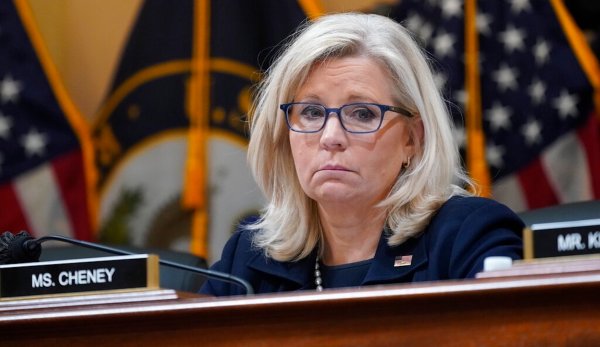
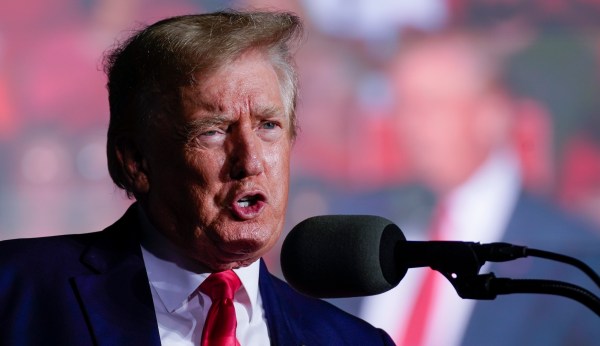
var _bp = _bp||[]; _bp.push({ "div": "Brid_54618687", "obj": {"id":"27789","width":"16","height":"9","video":"1027695"} }); ","_id":"00000181-4348-dedf-ad93-df6bd8570000","_type":"2f5a8339-a89a-3738-9cd2-3ddf0c8da574"}”>Video EmbedCHARLESTON, South Carolina — Two neighboring South Carolina congressional districts share more than a border, as their Republican primary elections double as proxy wars over former President Donald Trump’s hold on the party.