Since the day after the election, Nov. 4, 2020, it has become a mantra for Democrats, constantly repeated, not to be questioned, that the election is over.
On Nov. 13, Speaker Nancy Pelosi said, “The election is over. … The Republicans, shamefully, pretending otherwise, are doing serious damage to our American democracy.”
Lawyers who represented former President Donald Trump’s cause of a stolen election lost every court challenge. Some have been sued and ridiculed, while hundreds of Trump’s followers are under arrest for the storming of the Capitol.
This week, the House takes up H.R. 1, the For the People Act of 2021, what many Republicans say would relegate their party to permanent minority status.
It would nationalize many of the eleventh-hour changes to election law that key battleground states made to accommodate voting during the pandemic, expanding early voting, absentee voting, and mail-in voting. It would also relax voter ID requirements.
Attorney Hans von Spakovsky of the Heritage Foundation said, “H.R. 1 bans all state voter ID laws at the very same time that requires all states to put in same-day voter registration. You understand what that means? That means that I could walk into any polling place on Election Day, say that my name is not Hans von Spakovsky but Tom Swift and I live at 100 Main Street, they have to register me and immediately let me vote, and they can’t ask me for an ID to verify who I am, that I actually live in that area. I could then leave that polling place and go to the next polling place down the street, immediately register under the name Tom Smith, vote, and keep doing it all day.”
In 2005, the Carter Commission Report of Federal Election Reform warned of mail-In voting, saying, “It raises concerns about privacy, as citizens voting at home may come under pressure to vote for certain candidates, and it increases the risk of fraud.”
That risk is greater, the report said, “where there is some history of troubled elections, or where the safeguards for ballot integrity are weaker.”
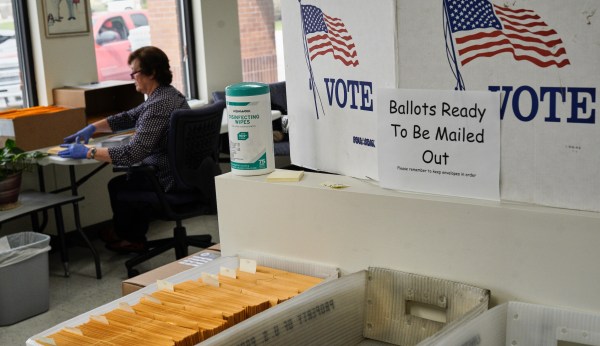
In the last election, more than 100 million people cast their ballots by mail or early in-person, and there was almost double the number of mail-in votes than in 2016.
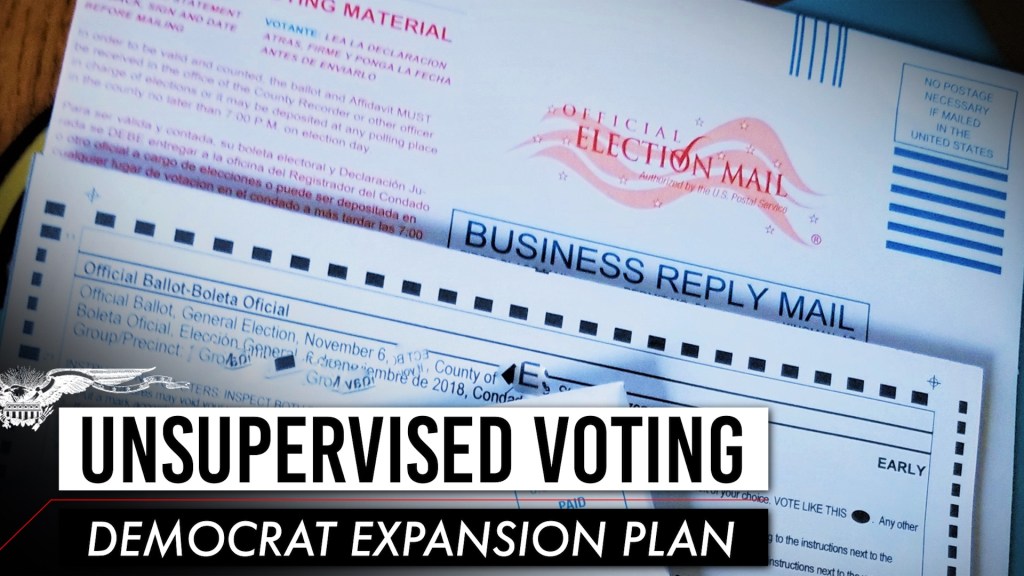
“The whole problem with absentee ballots is this: They’re the only kind of ballots that are voted outside the supervision of election officials and outside the observation of poll watchers, and that makes them the most vulnerable to being altered, changed, forged, and it makes voters vulnerable in their homes to pressure and coercion, to vote a particular way,” said von Spakovsky.
Efforts are underway by state legislatures in key battleground states including Arizona, Georgia, and Pennsylvania to roll back those changes in state election law that allowed early voting and widespread mail-in voting in the 2020 election.