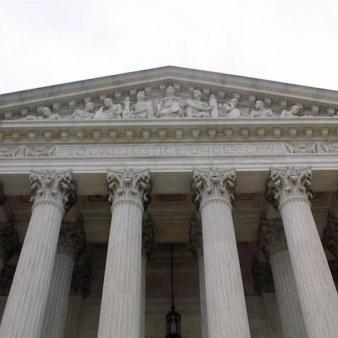
A visitor to Richmond can’t leave without a trip to John Marshall’s house, a living shrine to the greatest chief justice in the history of the United States. Passing through the halls of his former home, it is as if the spirit of the great man is present in the articles he used and the rooms he inhabited. The courtly tour guide will narrate his history for you in a pleasing Virginia lilt, and you will come to realize that this country owes as much to Marshall as to Adams, Franklin and to the justice’s own illustrious cousin, Jefferson.
Lawyers understand the debt owed to John Marshall, the man who raised the third branch of government to co-equal status with the legislature and, perhaps more importantly, the executive. When the important documents of our founding are discussed, the Declaration of Independence and the Constitution are the obvious and most prominent ones for any layman. It is not unlikely, however, that a lawyer would add the text of Marbury v. Madison to the list, since it was in this landmark Supreme Court case that John Marshall established the principle of judicial review, writing: “It is emphatically the province and duty of the Judicial Department [the judicial branch] to say what the law is.”