

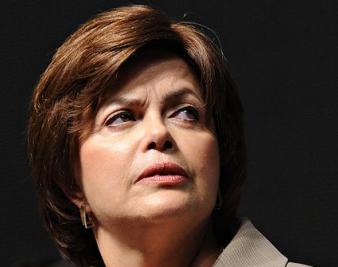
As Lula da Silva’s handpicked successor, Brazilian president Dilma Rousseff was widely expected to embrace his policies both at home and abroad. Domestically, she has mostly fulfilled those expectations. In foreign affairs, the story is a bit more complicated.
Lula made no secret of his desire to enhance “South-South” dialogue, promote greater cooperation among developing countries, and transform Brazil into a diplomatic powerhouse. In principle, those are worthy objectives. In practice, however, Lula often sided with dictators, against democracy activists and Western governments.
Stay informed.Stay ahead.
Join Washington Examiner for unlimited access to the news, analysis, and commentary that matter most.
See Options
Already a member? Log in
Print subscriber? Click here to login/register your account
Digital subscriber? Click here to login/register your account.
