

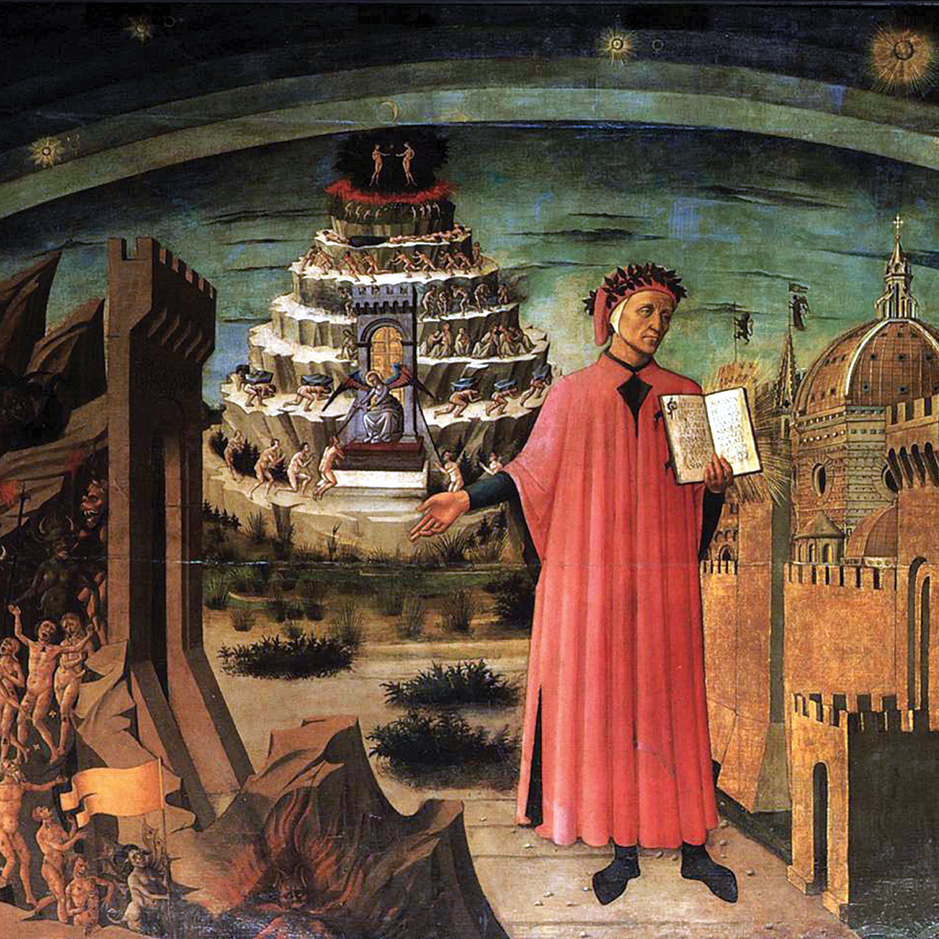
On March 25, 1300, a 35-year-old Florentine poet and politician set out on a long journey afoot in search of redemption. His destination was the eternal city. The poet in question, of course, was Dante Alighieri, and the city was not heaven, but Rome.
During the months leading up to that centenary year, pilgrims had begun to converge on the city, paying visits to the tomb of Saint Peter in hopes of earning a jubilee, a plenary indulgence that would eliminate the temporal punishment due for sins. This mass pilgrimage had begun as a spontaneous act of popular piety; but in February, Pope Boniface VIII issued a bull establishing jubilees as church doctrine. In a time of political fragmentation, Boniface’s pronouncement reaffirmed a spiritual unity that transcended it. But such a move also advanced his hopes of drawing the various national monarchies and city-state communes of Europe (that had emerged with the decline of the Roman Empire) into a new “theocratic” order.
Stay informed.Stay ahead.
Join Washington Examiner for unlimited access to the news, analysis, and commentary that matter most.
Already a member? Log in
