

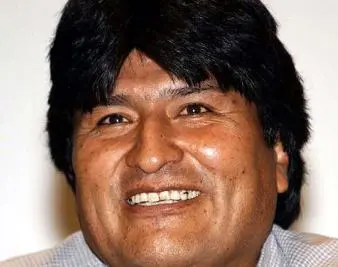
It is by now a familiar story: A Bolivian government has sparked massive street protests, and it has subsequently caved to the pressure. It happened in 2003, when President Gonzalo Sánchez de Lozada resigned after a violent conflict over gas exports. It happened again in 2005, when his successor, Carlos Mesa, was forced to leave office amid fresh energy-policy disputes, and again in late 2010, when the incumbent president, Evo Morales, abolished fuel subsidies and then reversed his decision in the face of enormous public demonstrations. Morales is understandably sensitive to such demonstrations: He is a former union boss who led the protests that toppled Sánchez de Lozada in 2003 and Mesa in 2005.
Now Morales has caved to a public outcry once again. On October 21, the Bolivian president announced that he was canceling plans for a Brazilian-financed jungle highway in the Isiboro Sécure National Park and Indigenous Territory (TIPNIS). TIPNIS is a section of the Amazon rainforest in north-central Bolivia, and the proposed highway had spurred ferocious opposition among Indian communities across the country. Morales claims the controversial road will still be constructed, just not through TIPNIS.
Stay informed.Stay ahead.
Join Washington Examiner for unlimited access to the news, analysis, and commentary that matter most.
Already a member? Log in
