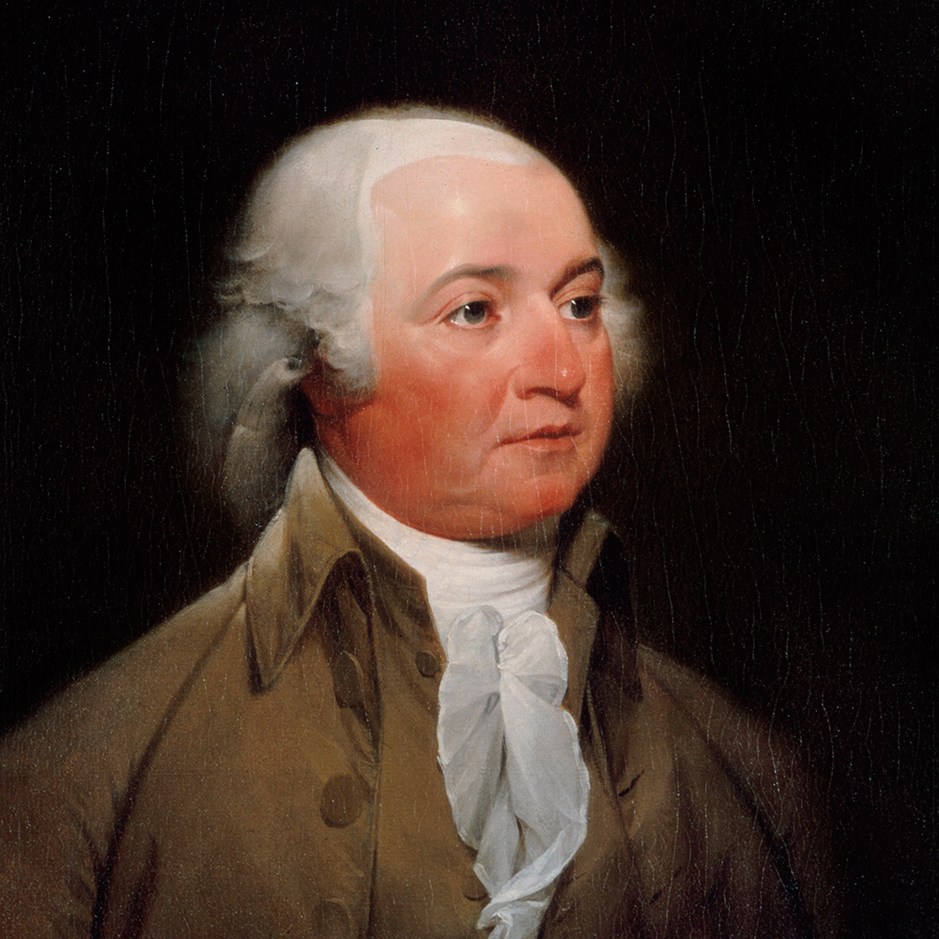
Though civic education among the public has sunk to embarrassing levels, there has of late been an explosion in scholarship on the Founding Fathers. The intellectual giants of the revolutionary era are again all the rage among literary types, academic and otherwise.
Thomas Jefferson—the American sphinx, as Joseph Ellis calls him—is hardly en vogue these days, but his role in the founding is so extraordinary that antipathetic scholars cannot help but reckon with him. James Madison, Jefferson’s political lieutenant but hardly his intellectual subordinate, has enjoyed a renaissance in our times, as his description of relentless factional conflict seems to capture the essence of contemporary interest-group politics. Alexander Hamilton, long castigated as the defender of economic privilege, is enjoying a current bipartisan respectability. Conservatives have long admired his visionary understanding of how “trickle-down economics” can generate prosperity for all; liberals—increasingly animated by identity politics—have a newfound appreciation for this possibly mixed-race immigrant from the Caribbean.