

People should not take two anti-malaria medications touted by President Trump as potential treatments for the coronavirus outside of a hospital or clinical trial, according to the Food and Drug Administration.
The agency issued the warning about chloroquine and hydroxychloroquine, a less toxic derivative of chloroquine, on Friday after reports said patients who took the medications, either alone or with the antibiotic azithromycin, experienced heart problems.
Recommended Stories



“The FDA is aware of reports of serious heart rhythm problems in patients with COVID-19 treated with hydroxychloroquine or chloroquine, often in combination with azithromycin and other QT prolonging medicines,” the FDA said in a statement. “Hydroxychloroquine and chloroquine have not been shown to be safe and effective for treating or preventing COVID-19.”
The FDA also warned that the two drugs could “cause abnormal heart rhythms such as QT interval prolongation and a dangerously rapid heart rate called ventricular tachycardia” and noted that people with “other health issues such as heart and kidney disease are likely to be at increased risk of these heart problems when receiving these medicines.”
The efficacy of using the drugs to treat coronavirus patients has been fiercely debated as Trump has repeatedly touted hydroxychloroquine in particular for use in treating COVID-19. A Michigan state Democratic representative said the drug saved her life when she was in the hospital with the coronavirus.
Skeptics say the evidence of the drug’s efficacy against the coronavirus is anecdotal and have noted a study analyzing the deaths of 368 male veterans who were confirmed positive for the coronavirus by Veterans Health Administration medical centers. The study suggested that hydroxychloroquine is ineffective at treating the coronavirus.
Earlier this month, Trump said his administration purchased “about 29 million doses” of hydroxychloroquine to distribute to the states. The FDA then issued limited emergency use authorization to allow both drugs “to be distributed and prescribed by doctors to hospitalized teen and adult patients with COVID-19, as appropriate, when a clinical trial is not available or feasible.”
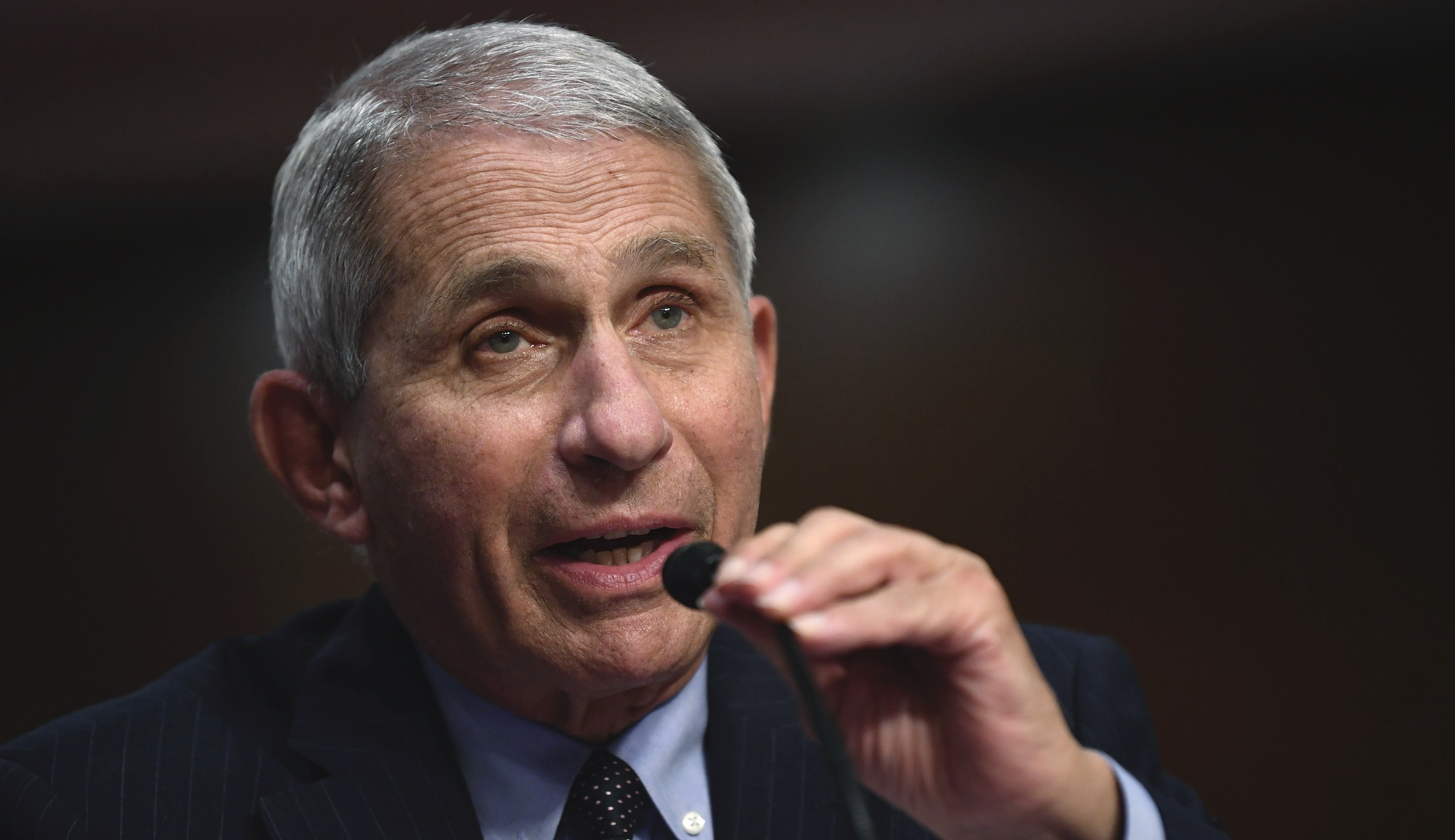
Dr. Anthony Fauci, the top infectious disease expert in the country who is part of the White House Coronavirus Task Force, previously warned that there was no “strong” evidence to support the claim the drug can treat the coronavirus.
