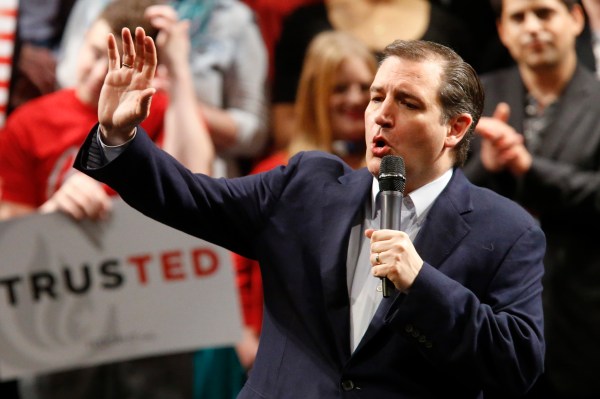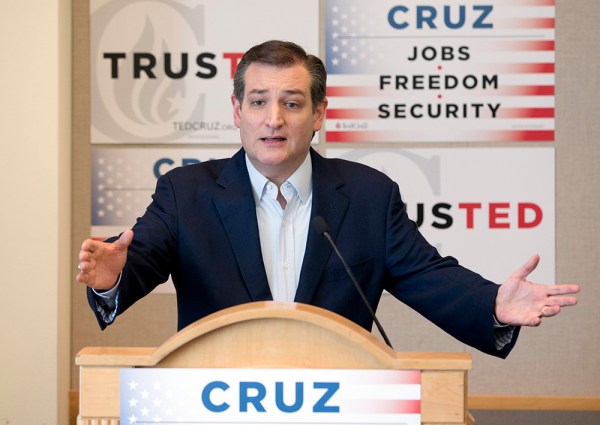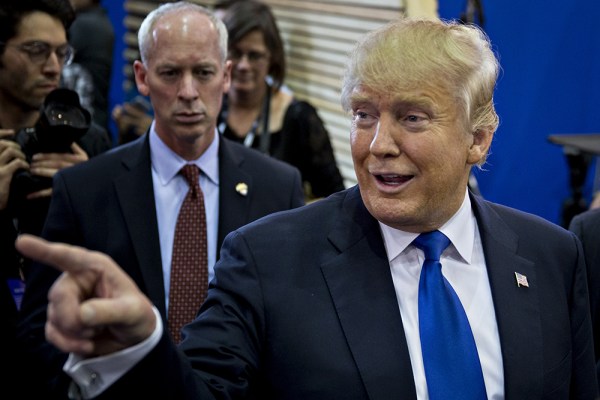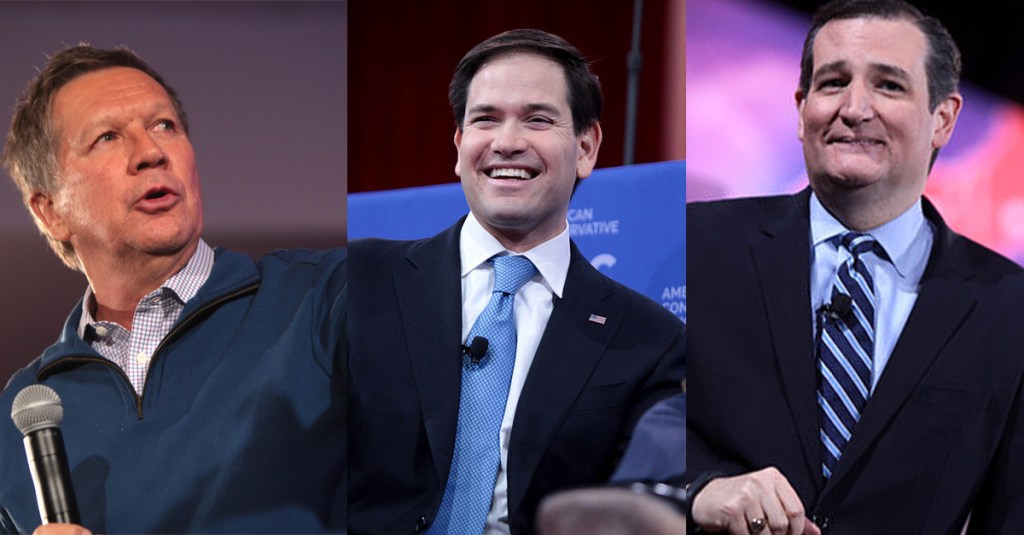
This past Tuesday, Bill Kristol showed how it is in the self-interest of Ted Cruz, Marco Rubio, and John Kasich to focus their efforts strategically to maximize the chances of Rubio winning Florida and Kasich winning Ohio, thus denying Trump the delegates from these winner-take-all primaries on March 15. Thursday, Mitt Romney echoed this strategy when he stated, “I would vote for Marco Rubio in Florida, for John Kasich in Ohio, and for Ted Cruz or whichever one of the other two contenders has the best chance of beating Mr. Trump in a given state.” The strategy is sound, but it likely will not be enough. Simply refraining from actively campaigning or advocating strategic voting will not produce enough of an effect to significantly alter the race.
Cruz’s victories Saturday night in Kansas and Maine, while impressive, probably do not represent a significant shift in the trajectory of the race. Kansas and Maine were caucus states, where Cruz has tended to perform well. Kentucky and Louisiana, the two larger states, held primaries, and Trump won them both. Of the six delegate-awarding caucuses held so far, Cruz has won four, while Trump has won 11 of the 13 primaries, losing only in Texas (Cruz’s home state) and Oklahoma. The problem for Cruz is that of the remaining states, only Hawaii will be a caucus. All of the other state contests are primaries, with a number of them being winner-take-all.