

The novel coronavirus has wreaked havoc on the Democratic primary calendar, raising the prospect of 2020 presumptive nominee Joe Biden going against tradition and announcing his vice presidential pick earlier this summer.
Running mates are usually revealed in the lead-up to the national conventions, but with the Democratic gathering this cycle pushed back a month to mid-August, that timeline is subject to change.
Recommended Stories


Prime Policy Group’s Charlie Black, a top aide to former Presidents Ronald Reagan, George H.W. Bush, and George W. Bush, as well as Arizona Sen. John McCain during his 2008 White House bid, said naming a vice-presidential nominee helped drum up excitement for the convention and the ticket itself, boosting the pair with a postconfabulation bump in the polls.
The problem for Biden is he’s ceded the national stage to President Trump amid the pandemic as the administration works with state and local governments to stop the spread of the respiratory disease without rampant testing or a vaccine.
“He will want to announce his choice at a time when he can dominate the news for a couple of days. That means he will have to wait for the CV crisis to calm down. Probably no good reason to do it until the week before the convention,” Black told the Washington Examiner, referring to the COVID-19 outbreak.
Black contributed to a 2016 Bipartisan Policy Center report dissecting best practices when it comes to selecting a No. 2. John Fortier, who led the think tank’s research, explained Biden “certainly could go earlier” with the understudy rollout. However, it could depend on whether the convention is in-person or conducted remotely.
“I still think having the vice president being announced and that person coming to the convention and speaking, that makes some sense but, if it’s remote, I guess that’s different,” he said.
More immediately, however, the virus was likely to hinder Biden as he goes through the rigors of picking the person, according to Fortier.
“In the past, it was a challenge for the campaigns to sort of get time together with these other candidates, and usually, that was finding campaigning time together, that they would put them on the campaign trail together for two or three outings,” he said. “Well, we’re not going to be doing that in the near, near future.”
He added, “Not only the vetting, but just talking to them and feeling comfortable with them is going to be done virtually, which is, you know, that is a little bit different because there has to be a bond there.”
Biden signaled this week he’d be open to playing with the schedule, telling a donor it wasn’t “a bad idea” when they asked if he would unveil his choice in June after the last official primary contest. He said there had been internal discussions about rolling out his nominee before “the usual time.”
“It’s going to take a while just to get through the vetting and get down to making a determination,” he said.
Yet, the 36-year Delaware senator told supporters he still hadn’t appointed a selection committee, vowing to have one in place “before the end of the month.”
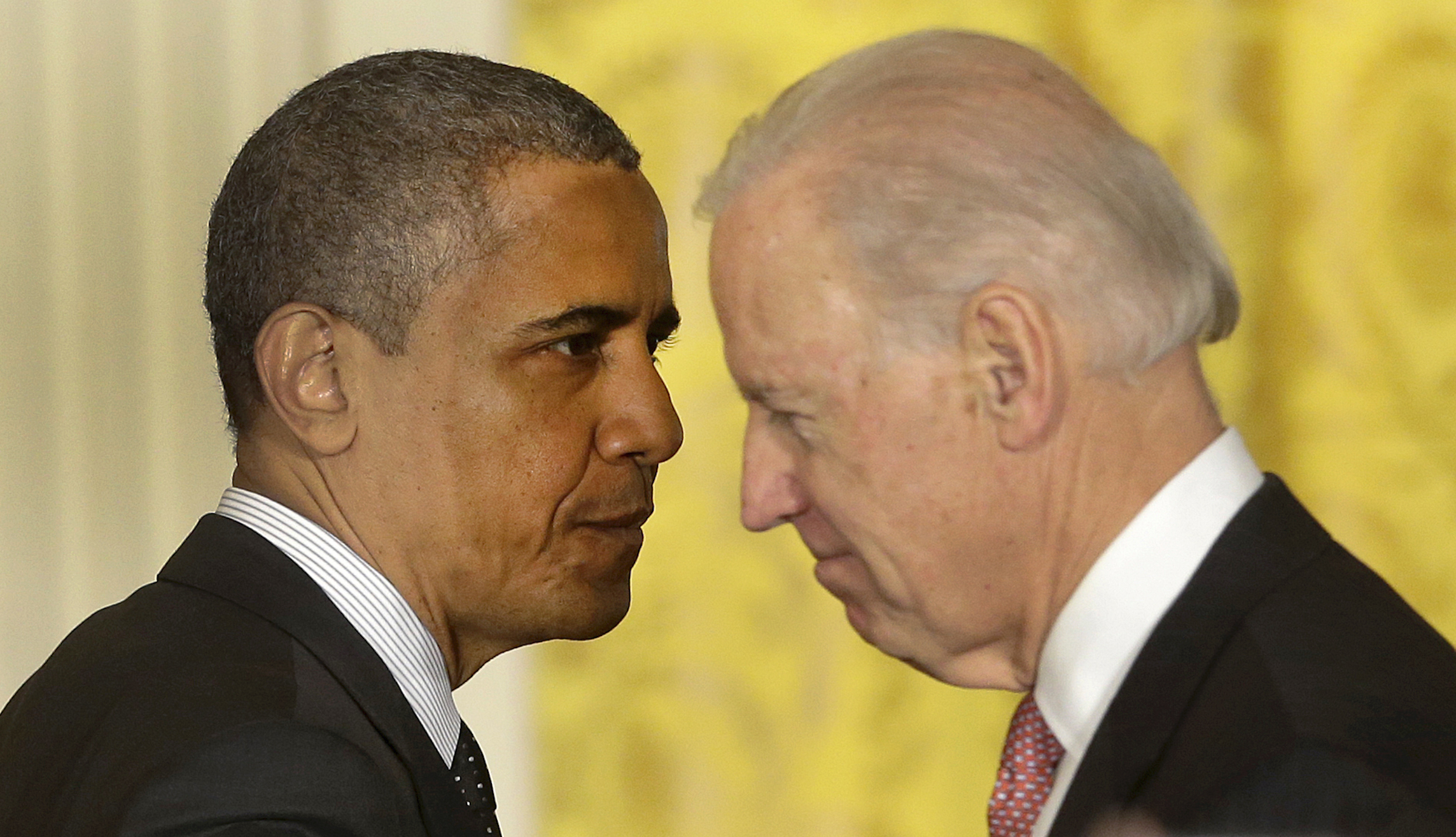
Biden has promised to pick a vice-presidential nominee who is a woman, repeatedly suggesting he’s looking for “someone who will be a partner in this process, someone who is simpatico, and someone who’s ready to be president on a moment’s notice.” He’s also consulted both former President Barack Obama and last-standing Democratic rival Bernie Sanders, who this week dropped out of the race.
There are a number of women on Biden’s short list, including a trio of ex-2020 nomination opponents: Sens. Kamala Harris of California, Amy Klobuchar of Minnesota, and Elizabeth Warren of Massachusetts. Other possibilities include former Georgia state House Minority Leader Stacey Abrams, Maggie Hassan, Jeanne Shaheen, Gretchen Whitmer, and Sally Yates — or even Michelle Obama.
