

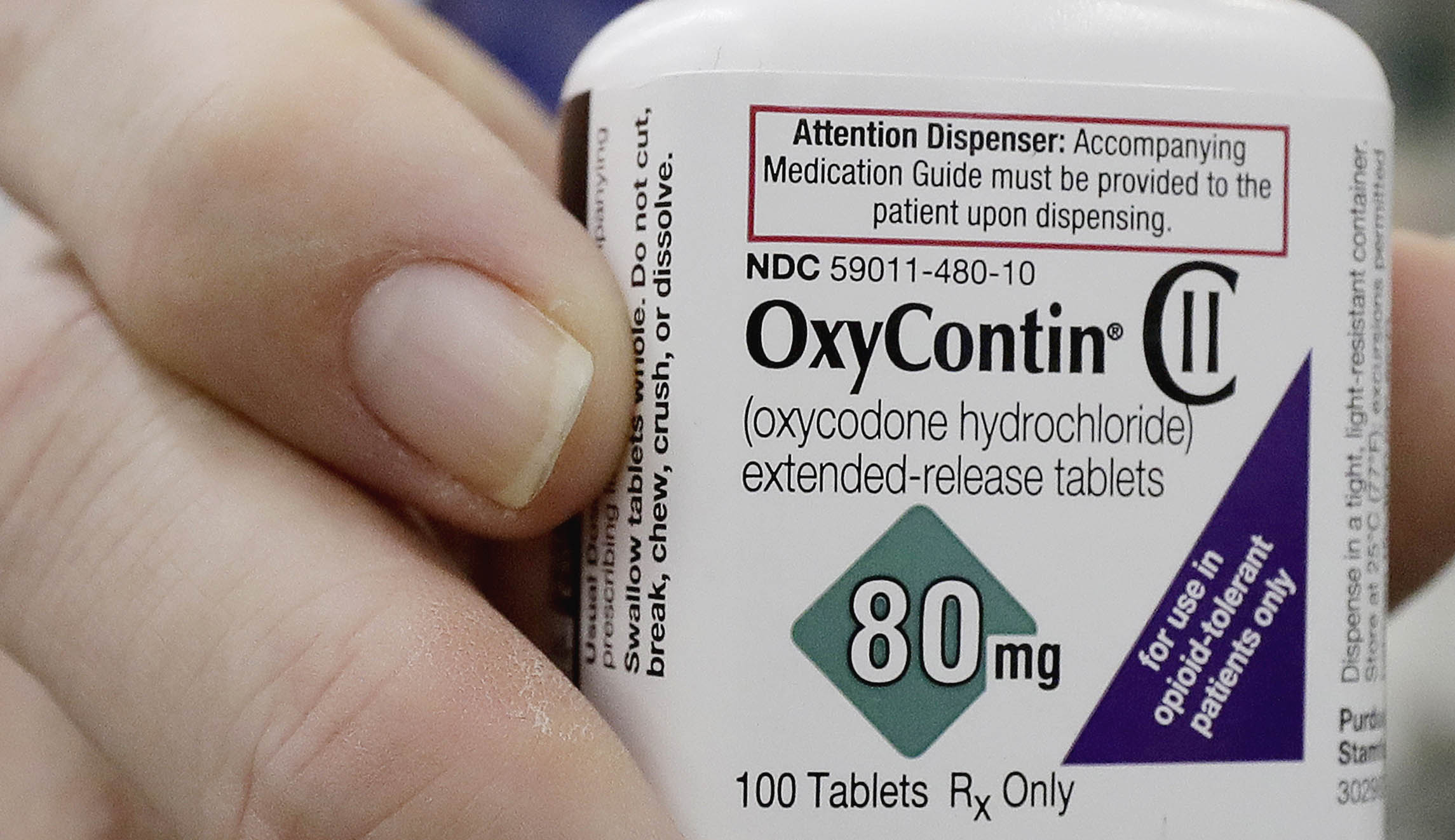
Purdue Pharma, the maker of OxyContin, and Janssen Pharmaceuticals pushed back on Thursday against the New York attorney general’s claims that the firms and their competitors ignited a deadly opioid epidemic through deceptive promotion of prescription painkillers.
The allegations by New York’s top prosecutor, made in a lawsuit filed in Suffolk County Supreme Court on Thursday, mark the latest twist in efforts by state and federal regulators to stem abuse that claims about 130 lives in the U.S. every day, including nine in the state of New York.
Recommended Stories


Along with Purdue Pharma, the New York suit names Johnson & Johnson’s Janssen Pharmaceuticals, Mallinckrodt LLC, Endo Health Solutions, Teva Pharmaceuticals, and Allergan.
“No pharmaceutical manufacturer has done more to address the opioid addiction crisis than Purdue,” the Stamford, Conn.-based company said in a statement. The drugmaker, which pleaded guilty in 2007 to federal charges of misbranding Oxycontin by claiming that it didn’t offer the buzz sought by addicts and had less potential for abuse, said it has pursued 65 different efforts to reduce opioid abuse.
Those include winning Food and Drug Administration approval for the first painkiller with abuse-deterrent properties after discovering that OxyContin tablets could be crushed to eliminate its time-release traits, making the drug both popular and pricey on the street in the early 2000s.
Janssen called the claims “baseless and unsubstantiated” in a statement, arguing that its opioid medications have accounted for less than 1 percent of the U.S. market, including generics.
“Our actions in the marketing and promotion of these important prescription pain medications were appropriate and responsible,” the company added. “The FDA-approved labels for these prescription pain medications provide clear information about their risks and benefits.”
The other firms didn’t immediately respond to messages seeking comment.
“Pharmaceutical manufacturers and distributors engaged in years of deceptive marketing about the risks of opioids and failed to exercise their basic duty to report suspicious behavior, leading to the crisis we are living with today,” Attorney General Letitia James said in a statement. As the companies and their owners grew richer, she added, “New Yorkers’ health grew poorer, and our state was left to foot the bill.”
Not only did drugmakers push false claims that opioid painkillers could improve quality of life and cognitive skills, they masked symptoms of addiction by describing it as “pseudoaddiction,” a made-up term, and encouraged more opioid use as a treatment, according to the lawsuit. They also described the medications as less dangerous than alternative pain-relief methods, the suit claims.
The nationwide surge in fatal opioid abuse cases began as prescriptions for such painkillers rose in the 1990s, a trend followed by a rise in heroin overdoses in 2010 and an increase in overdoses with synthetics like illicitly manufactured fentanyl in 2013. Mounting concern prompted the Trump administration to set up a cross-agency effort to simultaneously reduce demand and limit availability.
The “opioid crisis is clearly one of the most harrowing public health challenges of our time,” White House adviser Kellyanne Conway said in a March 19 update on the program. While federal agents have seized more than 16,000 kilograms of heroin since 2017 and recovered nearly 3.7 million pounds of unused prescription medications, state governments and others have targeted pharmaceutical companies with civil lawsuits.
Earlier this week, Oklahoma’s chief prosecutor reached a $270 million settlement with Purdue Pharma in one such case but promised to move forward with a suit against three rivals: Allergan, Teva, and Janssen.
Allergan, the company behind painkillers Kadian and Norco, said in a regulatory filing it faces more than 1,300 legal actions involving opioids and can’t estimate the financial impact of the cases.
Both Dublin-based Allergan and Israel-based Teva cited a multi-state investigation into the marketing of opioids in the U.S., and Teva noted a Justice Department subpoena for records on the production, marketing and sale of opioid medicines.
