

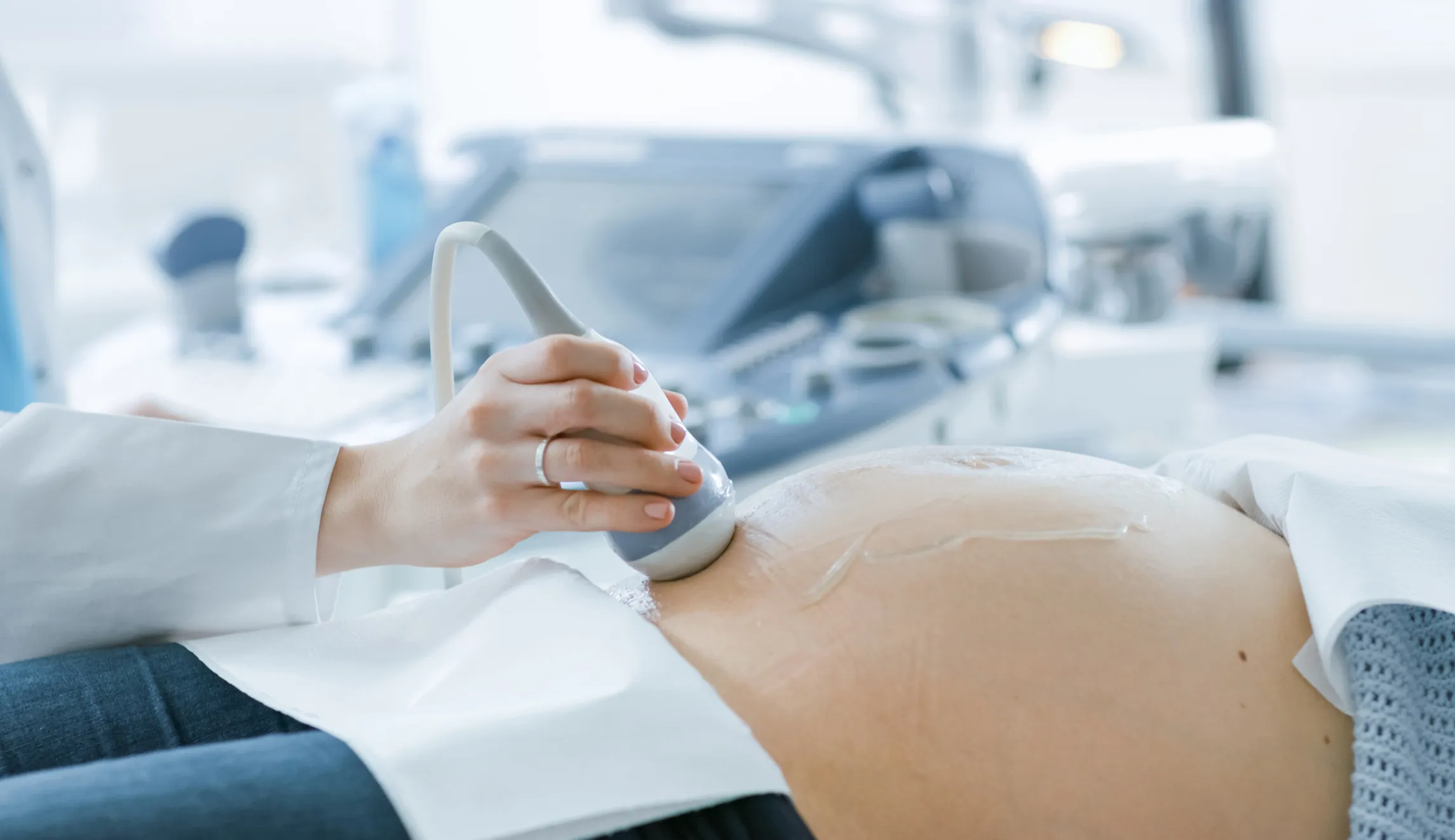
A transgender father said the medical community has not adapted to the possibility of men getting pregnant and having children, describing his pregnancy as “very tumultuous.”
Kayden Coleman, who lives in Houston, said medical professionals he has interacted with were not welcoming of his pregnancy and repeatedly encouraged getting an abortion.
Recommended Stories


“I was offered an abortion a ridiculous amount of times,” Coleman told TODAY.
Coleman, a father of two, also said medical systems do not adequately provide care to transgender males and that he suffered “a lot of trauma” during his pregnancy with daughter Jurnee, who is now 10-months old.
NEW JOBLESS CLAIMS DROP TO 385,000, BEATING EXPECTATIONS
“In the medical world, it was assumed that I wasn’t capable,” Coleman continued. “Even with my second child, I would tell them over and over that this wasn’t my first. And they still talked to me as though I had no idea what I was doing.”
Coleman said he “didn’t have to walk around in fear, worrying that people wanted to inflict violence on me” for being a pregnant male because “they thought I had a beer belly.”
“Most of that [criticism] came from inside the birthing world, with medical professionals. There was a lot of questioning about my identity — a lot of misgendering. Being told I shouldn’t be in spaces I was seeking care from because they were considered women’s spaces,” he added, saying that hospitals would encourage abortive procedures.
Ray Rachlin, a certified midwife who founded the Refuge Midwifery in Philadelphia, said much of the language hospitals use toward those who are pregnant is uniquely feminine.
“Pregnancy literature is geared towards white, heterosexual, cisgender people,” Rachlin said. “That’s who all the images are geared towards and the resources geared towards. From the get-go, they’re having to hack a system that wasn’t set up for their needs.”
CLICK HERE TO READ MORE FROM THE WASHINGTON EXAMINER
Rachlin, who is queer, said inclusive language is not widely used in a professional setting.
“When I started off, even though I was queer, I didn’t use inclusive language,” Rachlin admitted. “Gender is really ingrained in how we see pregnancy, birth, and parenthood. I had to do a lot of learning and unlearning to take a step back. One of the most common things is calling someone ‘mom’ or ‘mama’ instead of their name. When I called someone ‘mama,’ I was trying to create connection, but I was taking away their autonomy.”
