

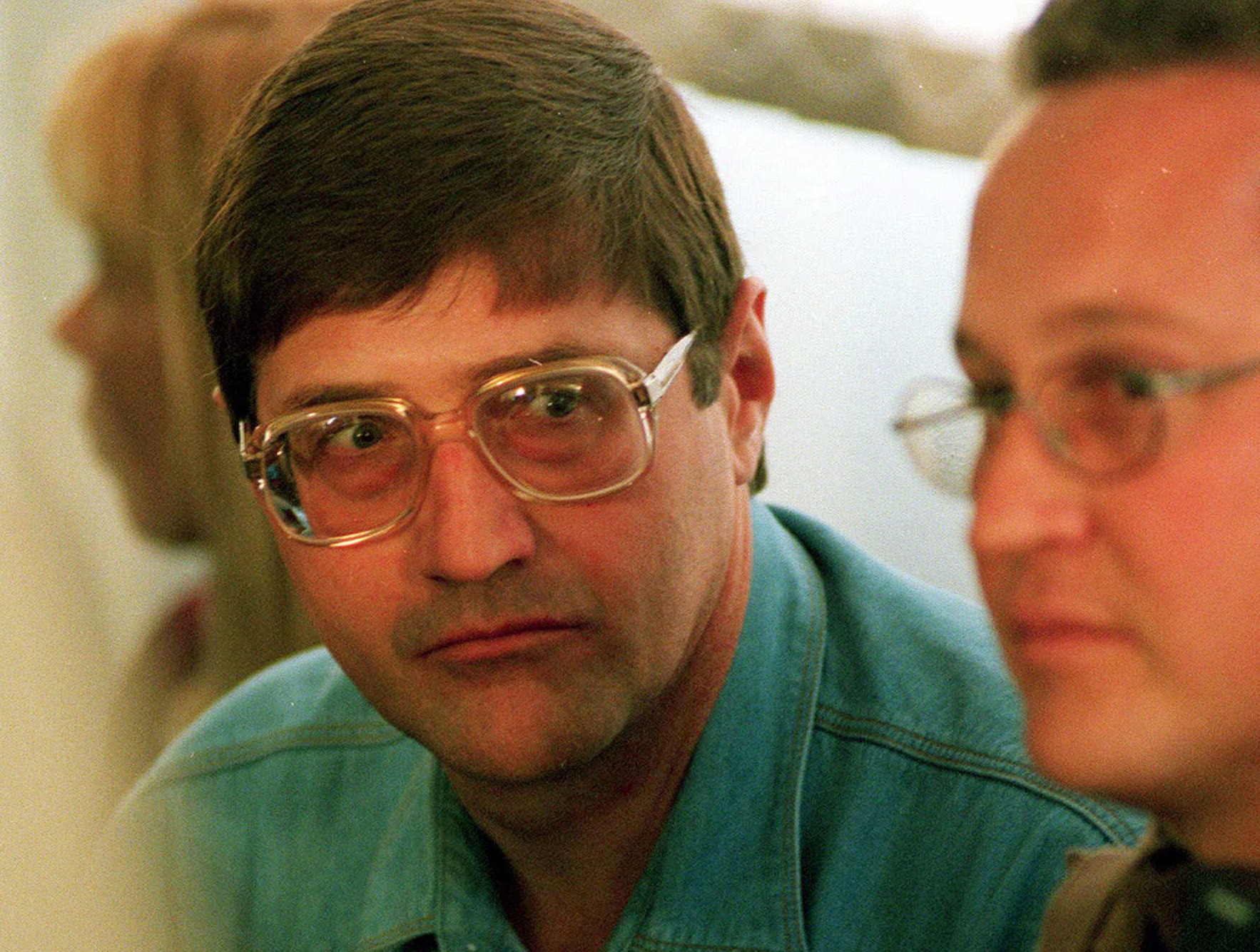
JOHANNESBURG (AP) — Does forgiveness lead to a better society? Or are some crimes so atrocious that the perpetrators should not be forgiven?South Africa faced these difficult questions after apartheid ended two decades ago, and confronts them again as the government considers parole this year for a notorious death squad leader who worked for the white racist government.
Eugene de Kock, head of a covert police unit that tortured and killed dozens of anti-apartheid militants, was arrested in 1994, confessed to crimes and was sentenced in 1996 to two life terms plus another 212 years. After 20 years in jail, he says he is the only member of the former police force serving time for crimes committed on behalf of South Africa’s old order and maintains he acted on instructions from leaders who were never punished.
Stay informed.Stay ahead.
Join Washington Examiner for unlimited access to the news, analysis, and commentary that matter most.
Already a member? Log in
