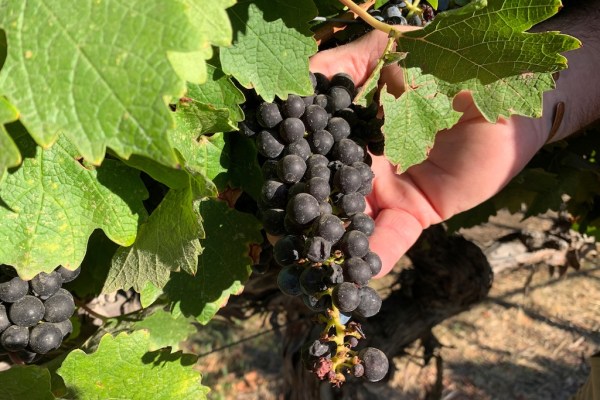
It’s no secret the Italian wine region of Piedmont, bordered by France to the west, Switzerland to the north and the Italian Riviera to the south, is the source of two of the country’s most prestigious wines; Barolo and Barbaresco. Both of these wines have a long and celebrated history throughout Italy and Europe, so their quality is highly regulated. There are more than 50 Denominazione di Origine Controllata- and Denominazione di Origine Controllata e Garantita-designated zones that hold vineyard owners and winemakers accountable to the highest standards in the country. Winemaking in this region is taken as a serious art form.
And no one takes the art of Barolo more seriously than the estate of Marchesi di Barolo, whose winemaking roots date back to the 12th century, when the Falletti family became the original owners. Over the next several centuries, successive generations of Falletis went on to develop a sterling reputation for wines produced in their region. The Marchesi di Barolo cellars remained in Falletti hands up until 1864, when Marchesa Guilia Falletti died without an heir — but not without making her mark on the winemaking region. It was due to her initiatives that the term Barolo was reserved for the finest Nebbiolo-based wines from the small hilltop town of the same name.