
In journalism argot, a “writearound” is a profile written without access to its subject — because that person is dead or can’t talk or, more likely, doesn’t want to. Reporting a writearound can be a vexing, monthslong marathon, requiring you to read everything that has ever been written by or about your subject, scour archives for old footage or audio, and track down and try to interview as many of the subject’s acquaintances as possible. The process can feel like a parody of a law enforcement sting, with low-level sources “flipped” to gain access to more important ones and the writer inching through concentric circles of proximity to encircle his target slowly.
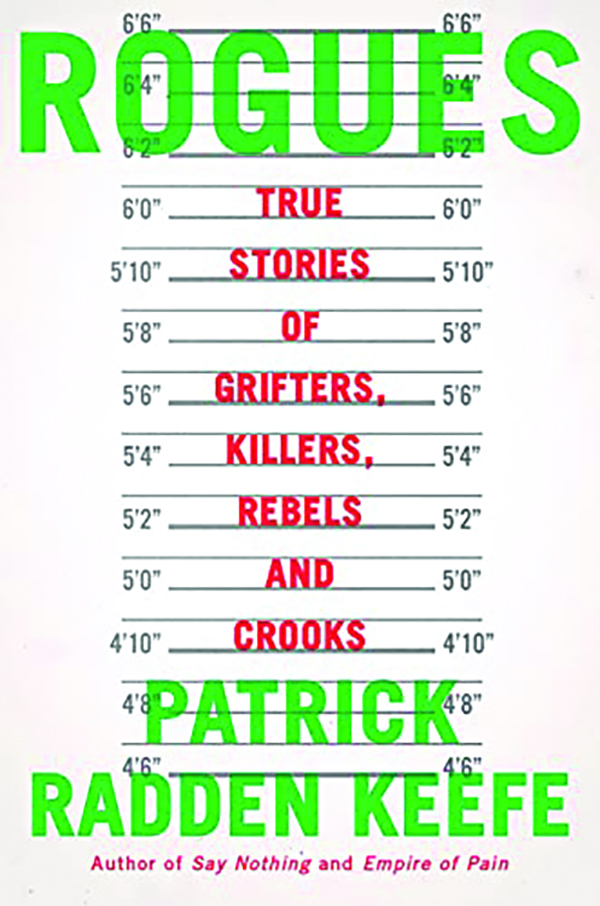
“Some journalists hate writearounds, but I’ve always enjoyed the challenge they pose,” Patrick Radden Keefe writes in the preface to his new nonfiction collection, Rogues: True Stories of Grifters, Killers, Rebels, and Crooks. “It takes a lot of creative reporting to produce a vivid portrait of someone without ever getting to speak to them, but these pieces are often more revealing than the scripted encounters you end up with when the politician or the CEO actually cooperates. When I wrote about the reality TV producer Mark Burnett, he wouldn’t talk to me — but he had two ex-wives who did, and in the end, I think I learned more about Burnett from speaking to them than I would have from Burnett himself.”