


Ottessa Moshfegh is the closest thing Americans have to a Michel Houellebecq. It isn’t that she traffics in provocative sociopolitical commentary. Nor does she possess a Cassandra’s uncanny foreknowledge of impending doom. Like any good American, she has adopted the fun parts of being an enfant terrible while avoiding the ones liable to get a body crucified. Her interviews tend to furnish a mildly inflammatory sound bite — e.g., self-quarantine is like solitary confinement — and convey an air of Olympian indifference to prevailing literary winds, even as she herself blows like a hurricane through the scene. Whether fan, skeptic, or hater, no one calls her “Moshfegh.” It’s always, familiarly, “Ottessa.”
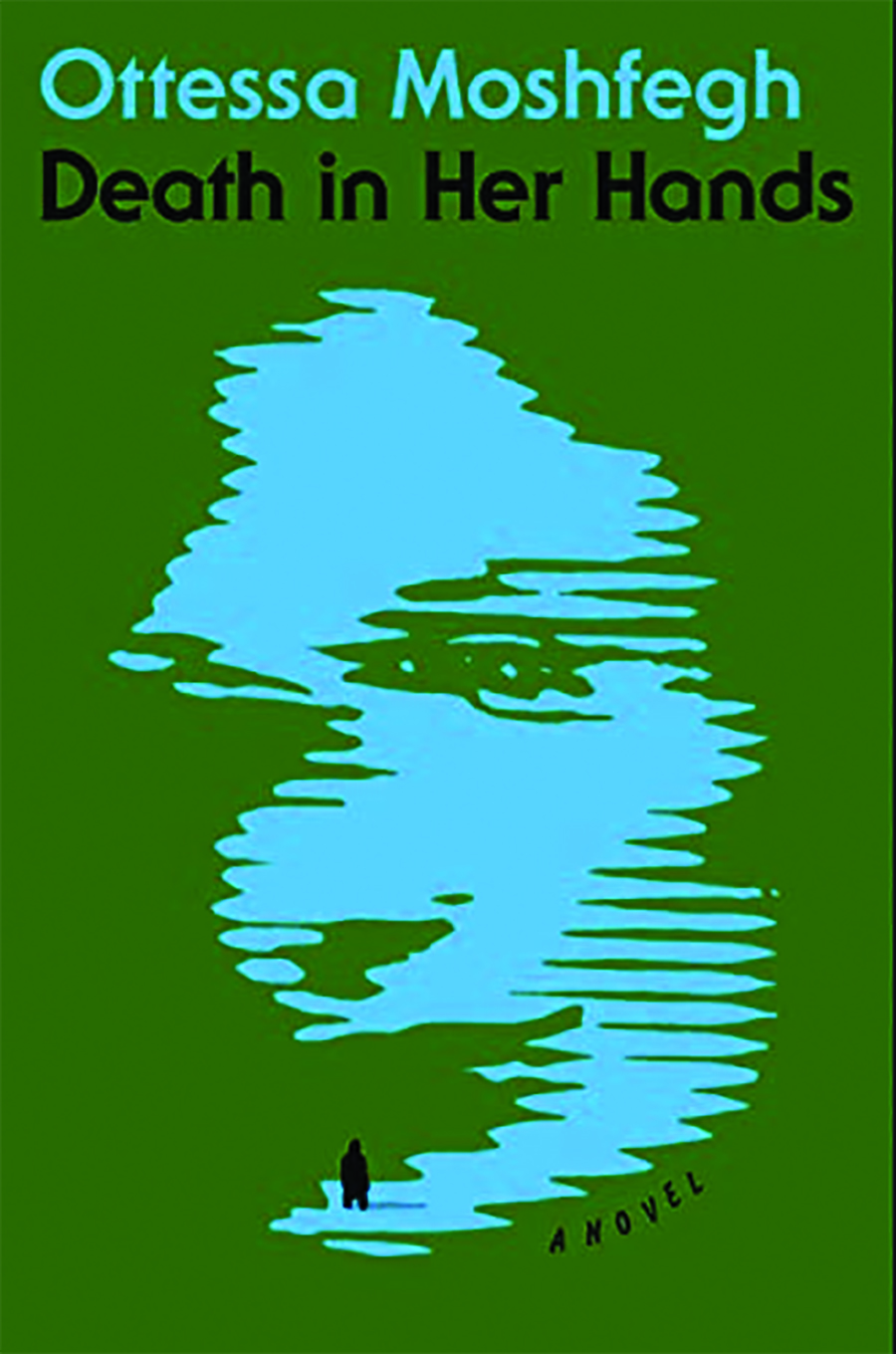
She is like Houellebecq in another way: The cheapest shot against her is that she keeps writing the same book. Hence it is an event unto itself that the protagonist of Death in Her Hands, her new “experimental” or “meta” mystery novel, is not a depressive, self-loathing young woman but a depressive, confused, old one. Unlike My Year of Rest and Relaxation or the stories in Homesick for Another World, this book is seldom funny, largely devoid of the gross-out preoccupations that place Ottessa in a rich, putrid tradition running from Aristophanes to Jonathan Swift to Johnny Ryan. Like My Year and Eileen, however, Death in Her Hands is very much concerned with psychology and behavior under conditions of isolation.
Stay informed.Stay ahead.
Join Washington Examiner for unlimited access to the news, analysis, and commentary that matter most.
Already a member? Log in
