
The House oversight committee’s recent interviews with former Attorney General Pam Bondi and former Metropolitan Correctional Center guard Tova Noel offered fresh insight into two of the most enduring mysteries surrounding Jeffrey Epstein: whether additional people may have escaped accountability, and how one of the nation’s most notorious inmates died under federal supervision.
According to transcripts of interviews released Thursday, Bondi told lawmakers that Justice Department officials were concerned from the outset about potential unindicted Epstein co-conspirators and were actively assessing whether additional investigations were warranted.
Recommended Stories
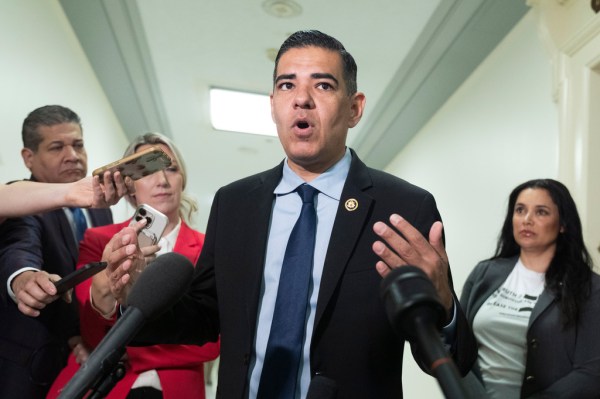
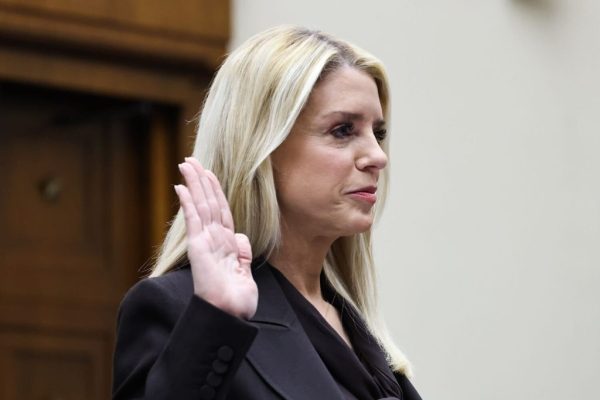
Noel, meanwhile, pointed lawmakers toward a previously little-known prison employee she suggested may have relevant information about Epstein’s death while providing new details about the staffing failures and dysfunction that plagued the Manhattan jail.
Together, the interviews offered fresh insight into both the government’s hunt for additional accountability and the circumstances surrounding Epstein’s final days, but stopped short of delivering definitive answers to the biggest questions that continue to surround the Epstein saga.
Here are five key takeaways.
1. DOJ’s Epstein review prioritized investigating possible unindicted co-conspirators
One of the most revealing moments from Bondi’s interview came when lawmakers asked whether the DOJ was concerned about potential unindicted co-conspirators when it launched its review of Epstein-related records shortly after President Donald Trump returned to office.
“Always, yes,” Bondi replied.
The answer shed new light on the purpose of the administration’s initial Epstein files review. Rather than functioning solely as a transparency exercise, Bondi’s testimony suggested senior officials were also trying to determine whether additional people connected to Epstein’s criminal enterprise warranted further scrutiny.
Bondi later testified that former Deputy Attorney General Todd Blanche interviewed Ghislaine Maxwell because investigators wanted to determine whether she possessed information regarding “other co-conspirators and crimes.”
2. Bondi still cannot tell who, if anyone, was investigated
Although Bondi confirmed concerns about potential co-conspirators existed from the outset, the interview offered few details about the investigative activity that followed.
Democrats repeatedly asked whether federal investigators examined several high-profile figures with past ties to Epstein, including former JPMorgan executive Jes Staley, billionaire Les Wexner, New York Giants co-owner Steve Tisch, Health and Human Services Secretary Robert F. Kennedy Jr., Commerce Secretary Howard Lutnick, and former Navy Secretary John Phelan.
Bondi declined to provide specifics, repeatedly saying she did not know, could not recall, or directed lawmakers to Blanche, FBI Director Kash Patel, U.S. Attorney Jay Clayton, or the FBI.
The questioning also touched on the separate review Trump publicly directed Clayton’s office in Manhattan to pursue back in November. While that effort has been known publicly for months, Bondi testified she did not know its current status, leaving unanswered questions about whether any investigative leads remain active.
3. Bondi delivered a blunt verdict on Maxwell
Bondi left little ambiguity when lawmakers asked whether Maxwell deserved clemency.
“No. I believe she should die in prison,” Bondi said, reiterating a sentiment she previously expressed during an open hearing before lawmakers earlier this year.
She described Maxwell as a “monster” who recruited and abused young women alongside Epstein and argued that women who facilitate such crimes can be “just as bad, if not worse,” than the men involved.
4. Noel pointed lawmakers toward a little-known prison employee
Among the most intriguing revelations from Noel’s interview was her discussion of Kimberly Shivers, a prison employee who has received little public attention in the years since Epstein’s death.
Noel suggested Shivers may possess relevant information about events surrounding Epstein’s final days and indicated she had access to systems and communications that could help explain what happened inside MCC New York.
Most scrutiny has historically focused on Noel and fellow correctional officer Michael Thomas, who were assigned to monitor Epstein’s housing unit. Noel’s testimony expanded that focus and introduced a new figure whom lawmakers and investigators may seek to examine more closely.
Whether Shivers ultimately proves significant remains uncertain, but her appearance in the transcript quickly emerged as one of the more notable developments from the interview.
5. Noel portrayed a jail system already in crisis before Epstein’s death
Throughout her testimony, Noel described an institution plagued by chronic staffing shortages, mandatory overtime, exhausted employees, and operational breakdowns. Her account reinforced previous findings from watchdog reports that documented serious dysfunction inside MCC New York long before Epstein’s death.
Noel described officers working extended shifts, personnel shortages affecting daily operations, and an environment in which corners were routinely cut simply to keep the facility running.
DEMOCRATS EYE BLANCHE SUBPOENA AFTER BONDI DEFLECTS EPSTEIN QUESTIONS
While the testimony did not fundamentally alter the public understanding of Epstein’s death, which officials formally ruled a suicide, the House is expected to bring additional witnesses in for transcribed interviews in the coming weeks. These witnesses include Epstein’s longtime assistant Lesley Groff next Tuesday, followed by Microsoft founder Bill Gates next Wednesday, and later interviews are scheduled with Leon Black and Kathy Ruemmler.
Last week, Democrats said their plan is to attempt to bring in Blanche and Patel for questioning, though it is unclear if Republicans will support that effort.
