

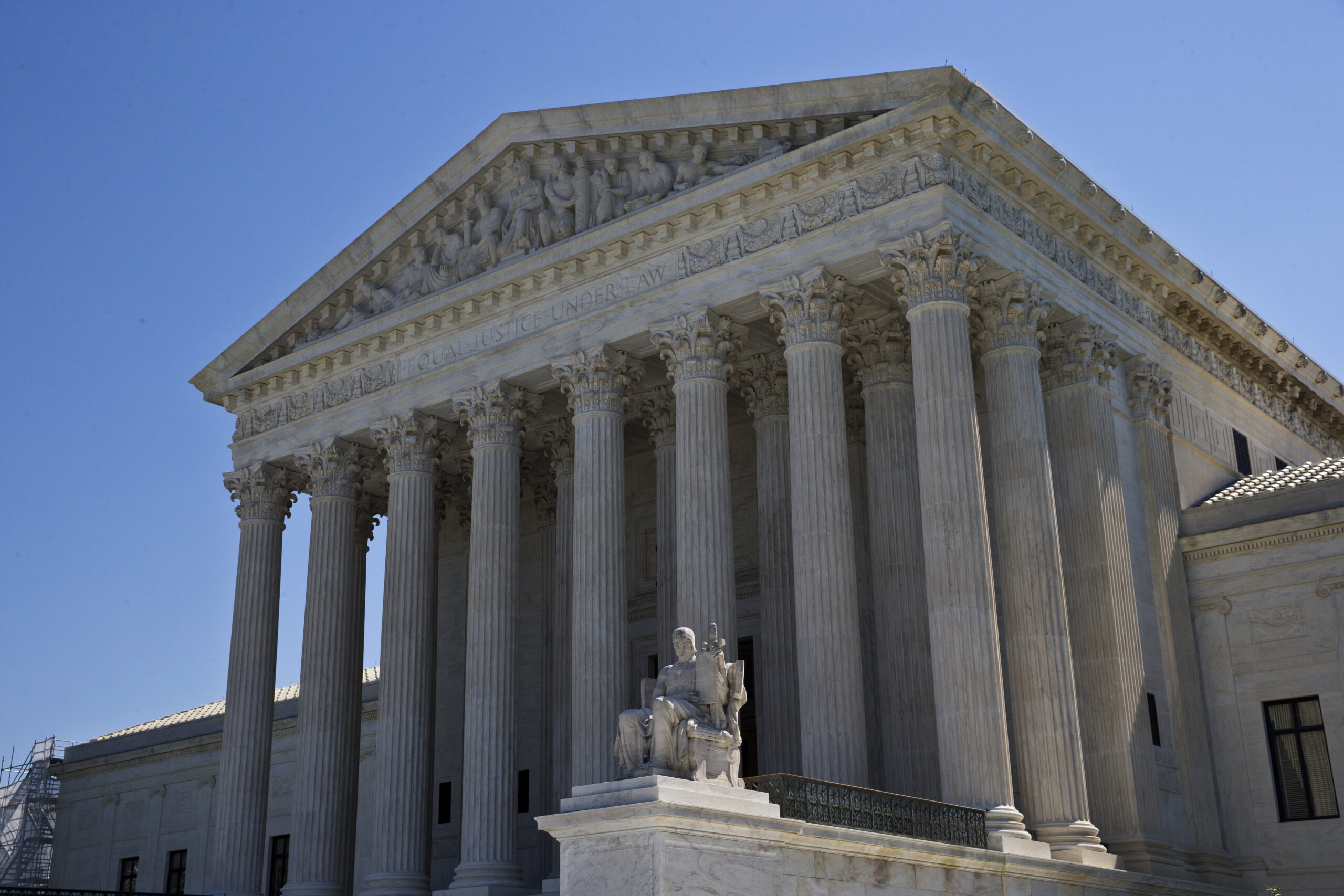
Pressure is building on federal courts to install cameras now that a government report has found that judges and lawyers in courts with video operations believe it is educational and doesn’t interfere with cases.
Recommended Stories



The report from the Government Accountability Office included several surprising findings that seem to endorse expanded use of cameras, even the U.S. Supreme Court.
In interviews with federal and state judges and lawyers that practice in those courts, the GAO report provided evidence to challenge many of the Supreme Court’s arguments against cameras and live audio.
For example, most of the judges and attorneys said that cameras didn’t prompt people to act up. Also, most said that video and live audio was educational and provided good public transparency.
Judges and lawyers, however, agreed that the media had a tendency to distort the actions in the court caught on camera. But some said the media took things out of context even without having audio or video.
The key highlights in the report:
— Fourteen of the 16 judges and seven of the nine attorneys GAO interviewed in the selected appellate courts cited public education on the judiciary as a benefit or potential benefit of video or audio coverage of arguments. One judge noted that video coverage is useful for providing a window into how the courts think about the issues in a case.
— Five judges and eight attorneys stated that coverage might potentially result in portions of the arguments being distorted by the media. However, four judges and four attorneys said that the court providing coverage itself might help mitigate these concerns. For example, one attorney stated that this allows the court to control and release the coverage as it sees fit.
The report was cheered by C-SPAN, which for years has pushed for courtroom cameras, especially in the Supreme Court.
General Counsel Bruce Collins told Secrets that the report ” found, as have most observers over many years, that TV in the courts does not interfere with the administration of justice. Should the U.S. Supreme Court acknowledge this history and allow C-SPAN to televise its arguments, we are confident this history will repeat itself.”
Paul Bedard, the Washington Examiner’s “Washington Secrets” columnist, can be contacted at [email protected]
