

President Donald Trump signed an executive order recently to increase research into psychedelic therapies. As a combat veteran and former Army Ranger serving my country in Iraq and Afghanistan, this is welcome news.
After fighting for the United States, I had to leave it to get effective treatment for the invisible wounds I brought home. The treatment I received in Mexico with the psychedelic ibogaine was life-changing. My fellow veterans, as well as other Americans who could benefit, should be able to access psychedelic therapies safely and locally.
Recommended Stories


This effort is long overdue, and we need to move forward with both care and urgency.
TRUMP’S IBOGAINE EXECUTIVE ORDER IS A BIG STEP TO SOLVE GENERATIONAL THREAT
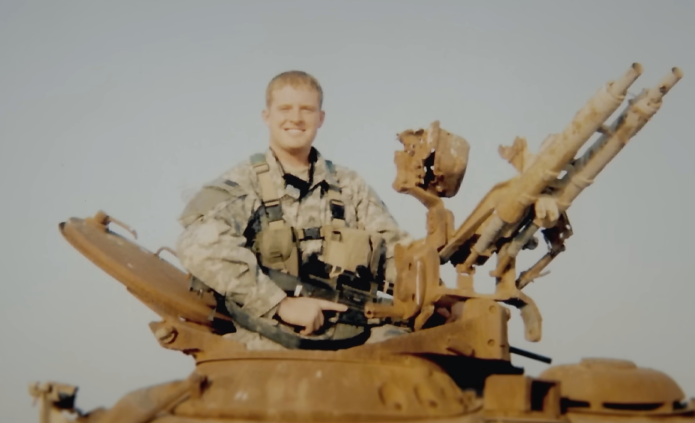
I was born in Greenwood, Mississippi, to a family where service runs deep. My grandfather served as an Army medic in the Pacific during World War II, and that legacy shaped how I see service and my responsibility to my family and community. I initially joined the Mississippi Army National Guard, but after Sept. 11, 2001, I wanted to do more and became an active duty Army Ranger, eventually serving as a sniper team leader.
After five deployments and over 200 missions, I was injured and unable to return to combat. After I was medically retired, I missed the team environment and the people I had served alongside. I struggled to find purpose and began suffering from depression and migraines. But I did what I was supposed to do and kept moving forward, living a life that looked solid on the outside. Continuing my education, I earned degrees from Columbia University and later an MBA from the University of Miami. But like many combat veterans, I came home carrying more than I expected.
I went through the veterans’ healthcare system and tried the treatments that were available for my problems. The pills I got numbed me emotionally, so I called them “happy pills,” but they didn’t fully address what I was dealing with. Over time, my problems weren’t just affecting me. They were affecting my family, too. The weight of combat does not stay contained to one person.
After three years of trying different treatments, I realized I needed something else and started researching alternative therapies. That search led me to Mexico for ibogaine treatment in 2019. Ibogaine is a powerful psychedelic, and it can be dangerous without proper medical oversight. It is not something to approach lightly. I knew the risks going in, but I also knew I had reached a point where the options I had were not working.
Ibogaine was not a miracle cure for me, and it is important to be honest about that. There are no silver bullets. But it did reduce my chronic depression and migraines significantly within a week, and it gave me something I had not found anywhere else — a hard reset that was long overdue. It gave me a level of clarity and perspective that allowed me to heal and rebuild my life in a deeper way.
The change began with me, but it didn’t stop there. It changed how I showed up for my family, too, and has helped me find purpose volunteering with nonprofit organizations and helping other veterans maximize their opportunities.
Ibogaine remains illegal at the federal level, which has slowed research for decades. In the absence of federal leadership, states are taking charge. Texas passed ibogaine legislation last year, and Mississippi state Rep. Sam Creekmore championed ibogaine legislation that was signed into law just weeks ago by Gov. Tate Reeves (R-MS). These steps will help the medical community ask serious questions and follow the evidence where it leads on ibogaine.
We need the research on best practices and safety protocols, especially because of the implications for heart health that ibogaine can have. Safety must be paramount, with a commitment to patient care above all else. Right now, people are traveling abroad for treatment in environments that vary widely in safety and oversight. That is not a system, it’s a gamble.
Proper screening, monitoring, and clinical standards can make ibogaine treatment far safer. We can replace uncertainty with a treatment that has helped people I know with trauma, PTSD, anxiety, depression, addiction, and traumatic brain injuries.
CHANGING THE NARRATIVE ON SUICIDE PREVENTION, ONE FRIEND AT A TIME
For some people, existing treatments are not enough, and we owe it to them to keep searching. For people like me, this is not theoretical. It is about whether others will have to leave the country and take the same risks I did, or whether they will have access to something safer, studied, and closer to home.
States have unlocked the door, Trump has opened it, and now we need to walk through it carefully, responsibly, and without delay.
Myles Grantham is a former U.S Army Ranger and member of the U.S. Army Shooting Team. He holds degrees from Columbia University and an MBA from the University of Miami. He lives in Mississippi and works to help fellow veterans navigate and maximize their VA benefits.
