On Monday, the United Kingdom took one of the most consequential steps in its policy toward the Iranian regime by designating the Islamic Revolutionary Guard Corps as a terrorist organization. The decision criminalizes membership in, support for, or public promotion of the Guard in Britain and reflects a fundamental reassessment of the threat posed by the regime’s most powerful institution.
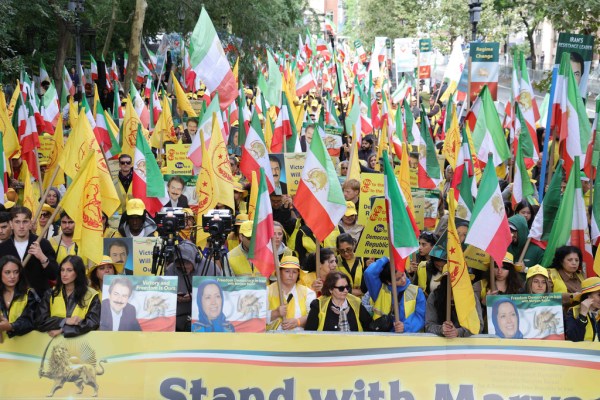
For many observers, the announcement appeared to be a dramatic policy shift. In reality, it was the culmination of years of parliamentary debate, growing security concerns, and mounting evidence of the Guard’s activities, as well as sustained advocacy by British lawmakers, security experts, Iranian human rights campaigners, and the organized Iranian Resistance led by the National Council of Resistance of Iran and its president-elect, Maryam Rajavi.