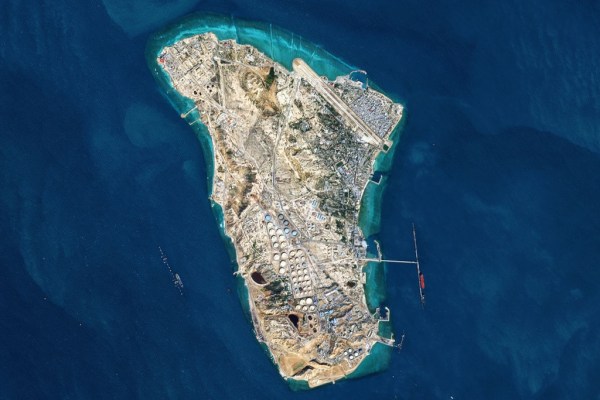
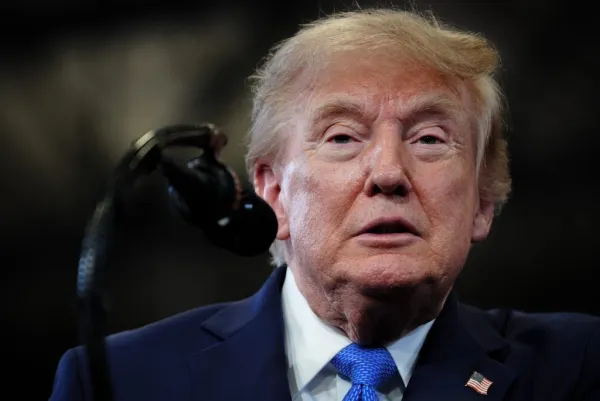
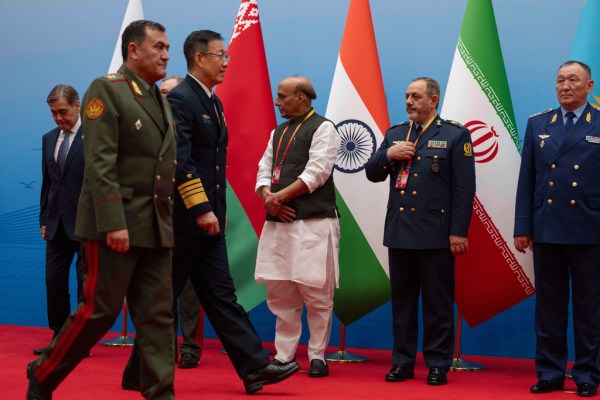
When Islamic Revolutionary Guard Corps spokesman Hossein Mohebbi pointed to seven vital undersea cables beneath the Strait of Hormuz on Monday and warned of impending “new targets and new weapons,” Tehran issued a calculated ultimatum. This provocative display confirmed a deliberate asymmetric threat: treat Western communication lines as legitimate targets if Iranian military or energy infrastructure is attacked. Taunting Washington ahead of the midterm elections, the theocratic regime is attempting to leverage global digital infrastructure as a geopolitical shield.
The Gulf states face the sharpest immediate exposure. Although the strait accounts for less than 1% of global international bandwidth, these pipelines carry up to 30% of regional traffic. The United Arab Emirates and its neighbors rely heavily on these routes to anchor their rapid economic pivot into cloud computing, international banking, and state-level artificial intelligence. Because American tech giants have concentrated massive data-center capacity in this exact zone, a prolonged outage would paralyze essential regional services and American commercial interests simultaneously and at scale.