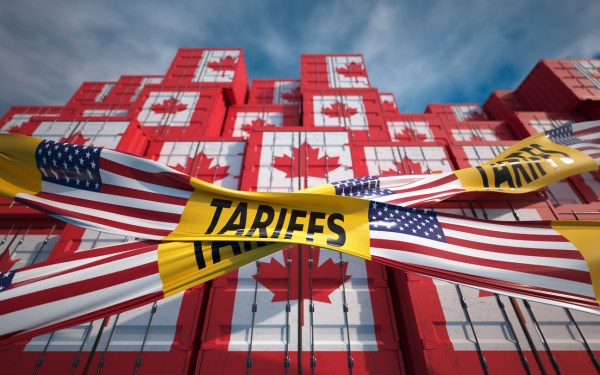
As Canadian Prime Minister Mark Carney traveled to Shenzhen for the APEC summit, he announced extended and expanded exemptions for Chinese steel and aluminum to enter the Canadian market, alongside a reduction in PRC tariffs on Canadian goods. The government has consistently positioned deals such as this with China as part of Canada’s strategy for trade diversification in the wake of American tariffs. On Chinese auto investment in Canada, the prime minister insists it is “not leverage” over the United States but “action, reaction,” in that, depending on how trade talks with the U.S. go, it may be necessary.
But the rationale and benefit of these arrangements crumble once you start asking even the simplest of questions. How, for instance, is “diversification” away from the U.S. and toward China to be interpreted as protecting Canadian sovereignty when the PRC has repeatedly used tariffs to punish Canada for its political and policy decisions? How would allowing more Chinese steel and aluminum into North America, a perennial complaint of the U.S., be good for Canadian workers or helpful in securing a trade deal with the U.S.? How is importing cheap Chinese cars beneficial for Canada’s struggling auto industry?